The best haircut for a square face is not a camouflage project. A defined jawline and broad cheekbone area can look striking with many shapes; the real decision is whether you want the haircut to echo that structure or introduce a softer, more mobile outline. Length, parting, texture, and maintenance all matter more than a rigid list of permitted styles.
What square-face advice gets wrong
A square face is commonly associated with a forehead, cheekbones, and jawline that appear similar in width, plus a more defined lower outline. That description can help a stylist assess balance, but it is not a prescription. Hair density, neck length, curl pattern, hairline, and personal style can make the same haircut read completely differently on two people with similar facial proportions.
The unhelpful version of advice says to hide the jaw at all costs. In practice, some people love a clean bob that shows the jawline, while others prefer soft layers near the cheeks. Neither is a correction. The more useful question is how much contrast you enjoy: crisp edges and symmetry, or movement that breaks up the outline.
Look at your current cut from the side and when it is tucked behind an ear. If the shape becomes too boxy only in one styling position, you may need a minor adjustment rather than a complete change. A different parting, a softer front corner, or less bluntness at the ends can shift the overall feeling.
Useful length choices
The best hair length for a square face depends on how the hair behaves at that length. A chin-skimming cut can be chic, but a heavy, perfectly horizontal line at the widest part of the jaw may feel more architectural than you want. Extending a bob just below the jaw or softening the perimeter is a common way to retain the shape without making it overly strict.
Collarbone and shoulder lengths give room for face framing and movement. They can work especially well if you want to tie your hair back but do not want the long, flat finish that sometimes makes a style feel narrow at the sides. A few considered layers are usually enough; too many short layers can make dense hair mushroom outward.
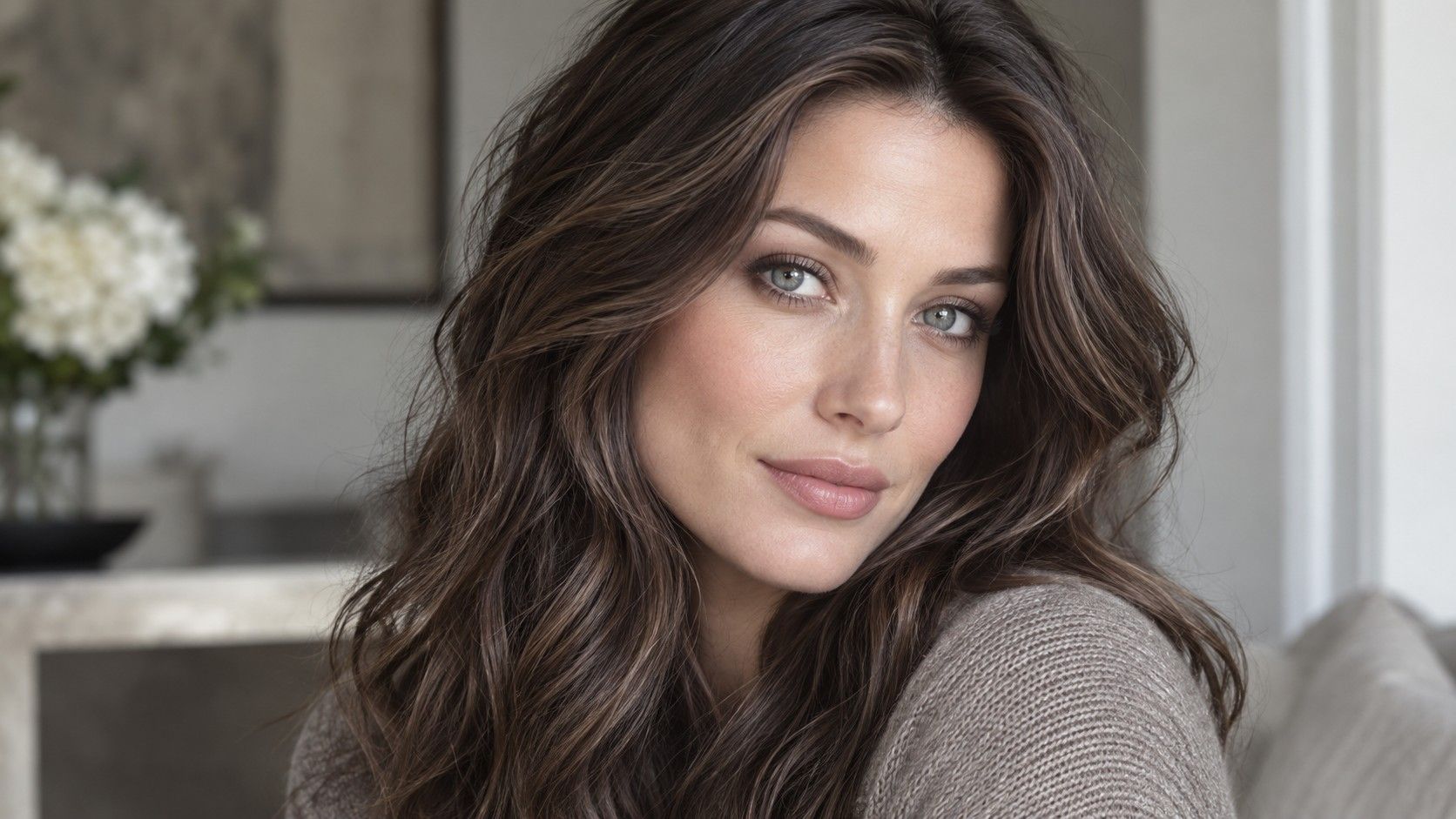
Long hair is not a problem for a square face. The key is avoiding a single, heavy block if you want a softer result. Gentle variation through the front, subtle bends, and an intentional weight line can keep long hair looking purposeful. If you prefer it sleek and straight, an off-centre part may provide all the asymmetry you need.
Bobs and lobs without the hard edge
A bob can be one of the best hairstyles for a square face when its details match the wearer’s texture. A softly textured bob that moves at the ends has a different effect from a razor-sharp graphic bob. The first blends with the facial structure; the second makes a confident visual echo. Choose based on taste, not a promise that one will “fix” the face.
For a more forgiving route, consider a lob with a little internal movement and enough length to tuck behind the ears. The front can be slightly longer, but avoid making the angle extreme unless you want a very directional look. A gentle diagonal is often easier to style and grows out more calmly.
Ask to see the perimeter before it is heavily styled. The wet-to-dry shrinkage of wavy hair and the spring of a blowout can change where the line lands. The salon mirror can be deceptive when every strand has been polished; check how the cut falls after the stylist rough-dries a small section or explains the home finish.
Styling for movement
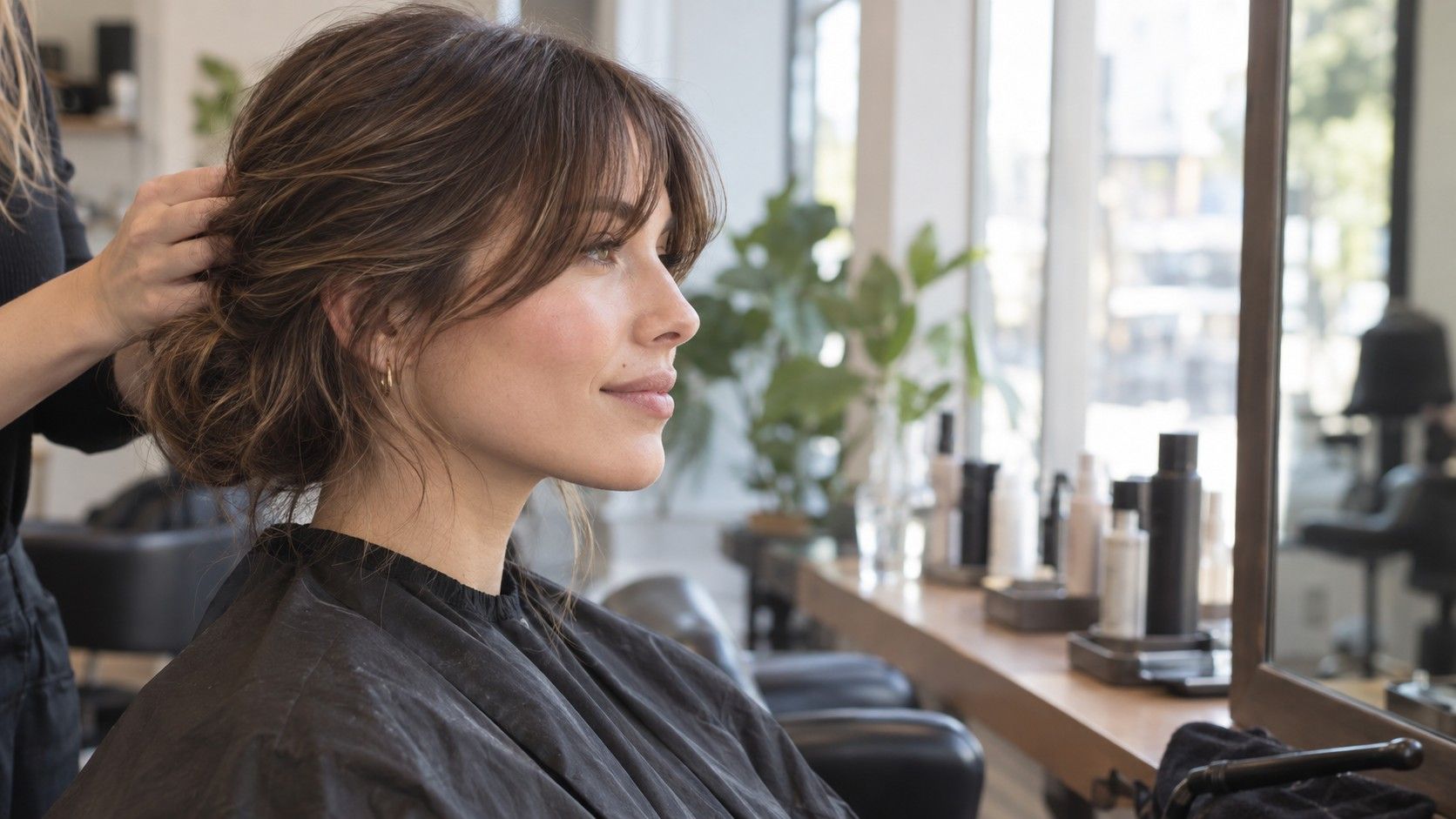
Movement does not require a head full of curls. A small bend around the cheekbone, an ear tuck on one side, or ends that turn slightly away from the face can stop a haircut from sitting as a solid frame. For straight hair, a lightweight brush technique often works better than piling on texture spray that leaves the ends stiff.
A side part is worth testing because it shifts the visual centre without changing the cut. It can make a blunt line feel less formal and gives one side a little more lift. The part does not need to be deep; even a modest off-centre line can look more relaxed than a ruler-straight centre part.
Wavy and curly hair already carries movement, so the challenge is usually distribution. Ask for shaping that prevents bulk from building at the jaw while preserving enough weight to stop the ends from going fuzzy. A dry check is valuable here, because that is when the curl pattern reveals its actual width.
Fringes, layers, and the salon conversation
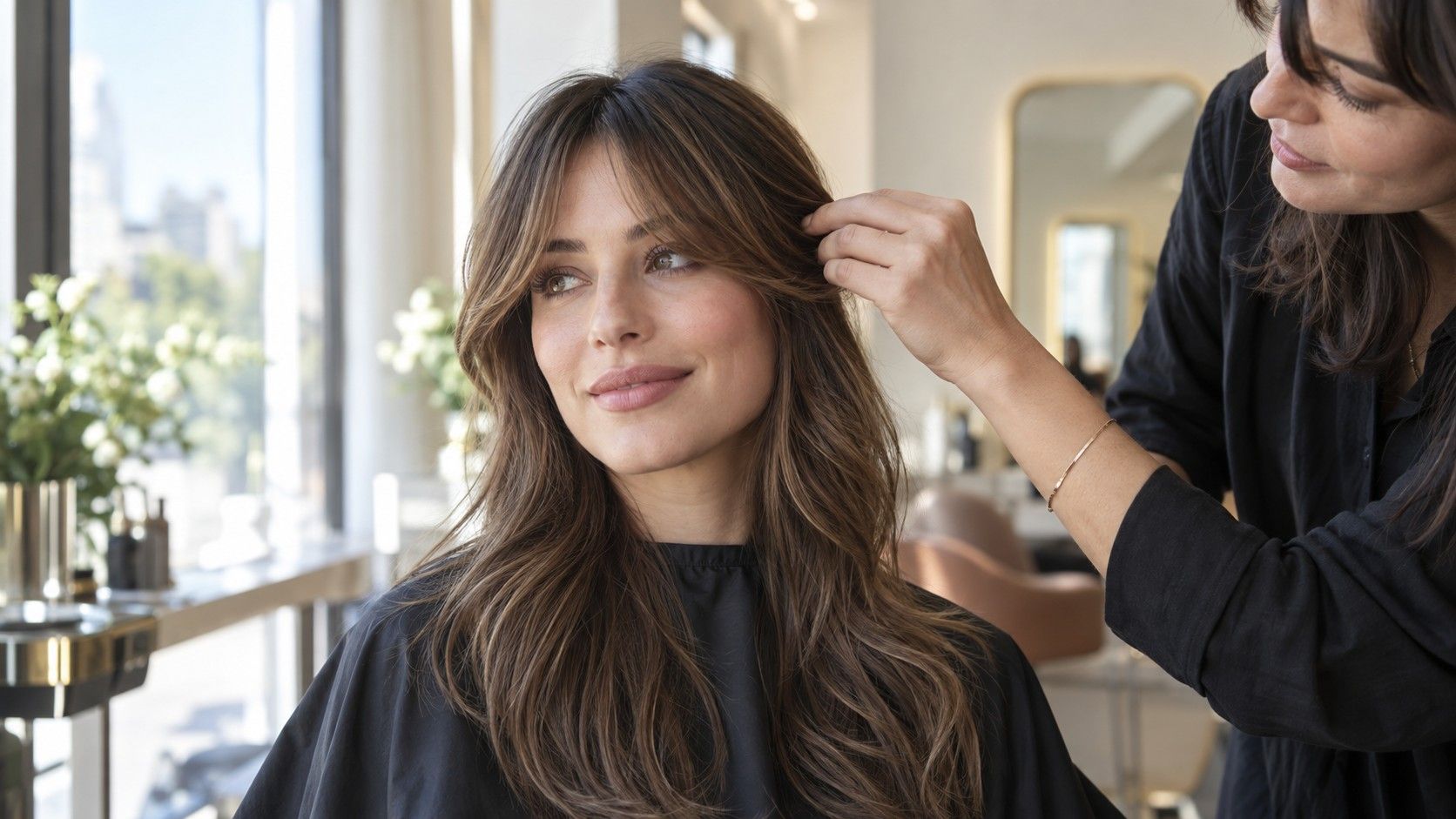
A fringe can soften the upper part of the face, but it should be chosen for your hairline and routine rather than as a mandatory square-face accessory. Curtain bangs are flexible and can blend into layers. A side-swept fringe creates an obvious diagonal. A full fringe makes a stronger statement and usually needs the most regular upkeep.
Soft layers are useful when they are placed with purpose. The shortest piece should relate to the cheekbone or jaw area you want to frame, rather than being cut at a random point. Ask the stylist where the first layer will sit and whether it will still look deliberate when you air-dry your hair.
At the consultation, try this: “I like my jawline, but I want more movement around it; I wear my hair mostly natural; I am willing to style for five minutes, not twenty.” This tells a stylist far more than a demand for a universally flattering cut. It also makes it easier to evaluate the result before you leave the chair. Ask them to show where the perimeter will sit when the hair is dry and whether the soft pieces are created by the cut or by the final blow-dry. If the answer depends on a hot tool, decide whether that is a trade-off you are actually happy to make. Take a moment to move your head, tuck one side behind the ear, and separate the hair with your fingers. Those small checks reveal whether the movement belongs to the cut or only to the salon finish. Finally, check the style after the cape comes off and you put on your normal glasses or earrings. A haircut is worn with the rest of your life, not in an empty salon mirror.