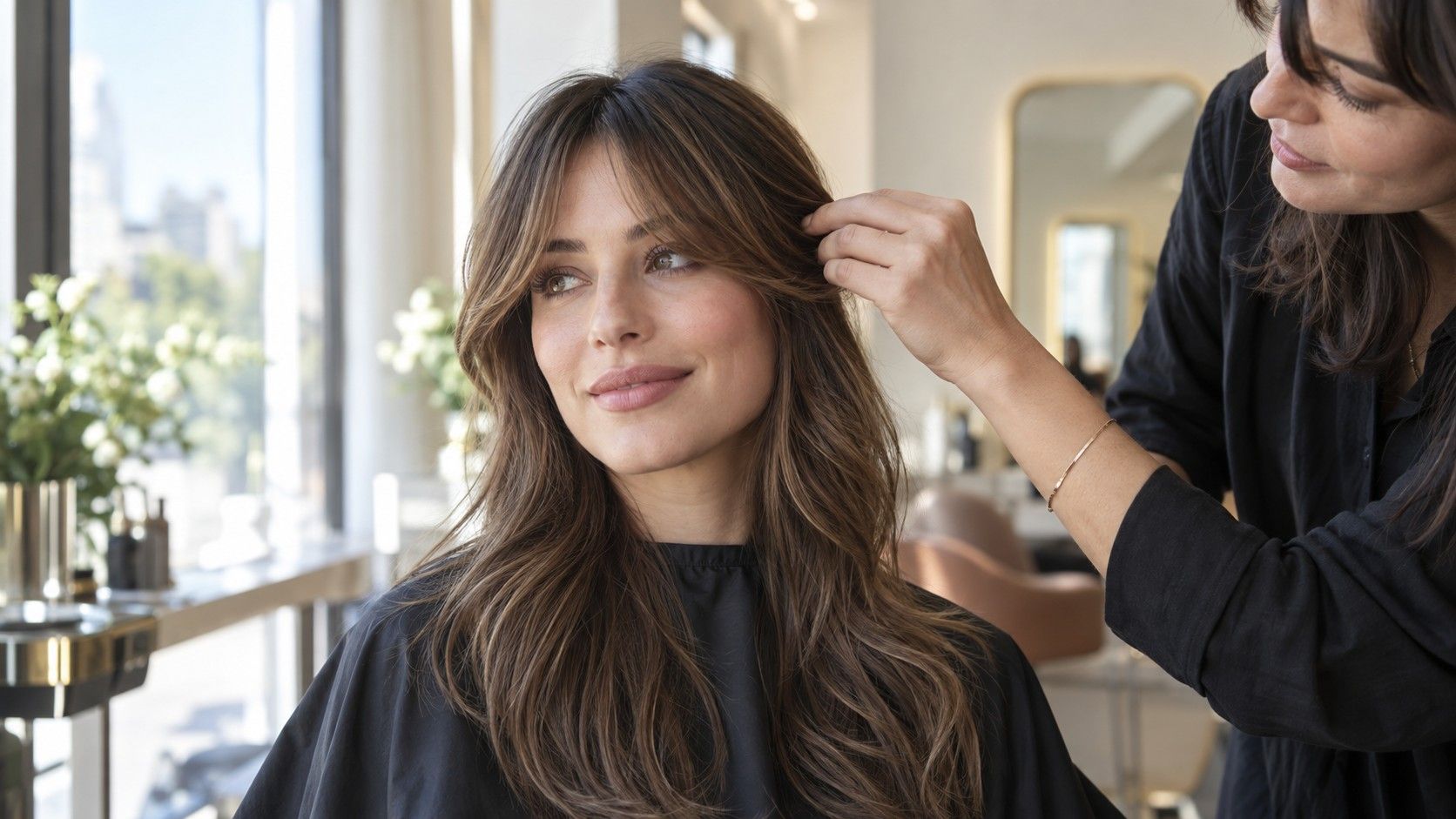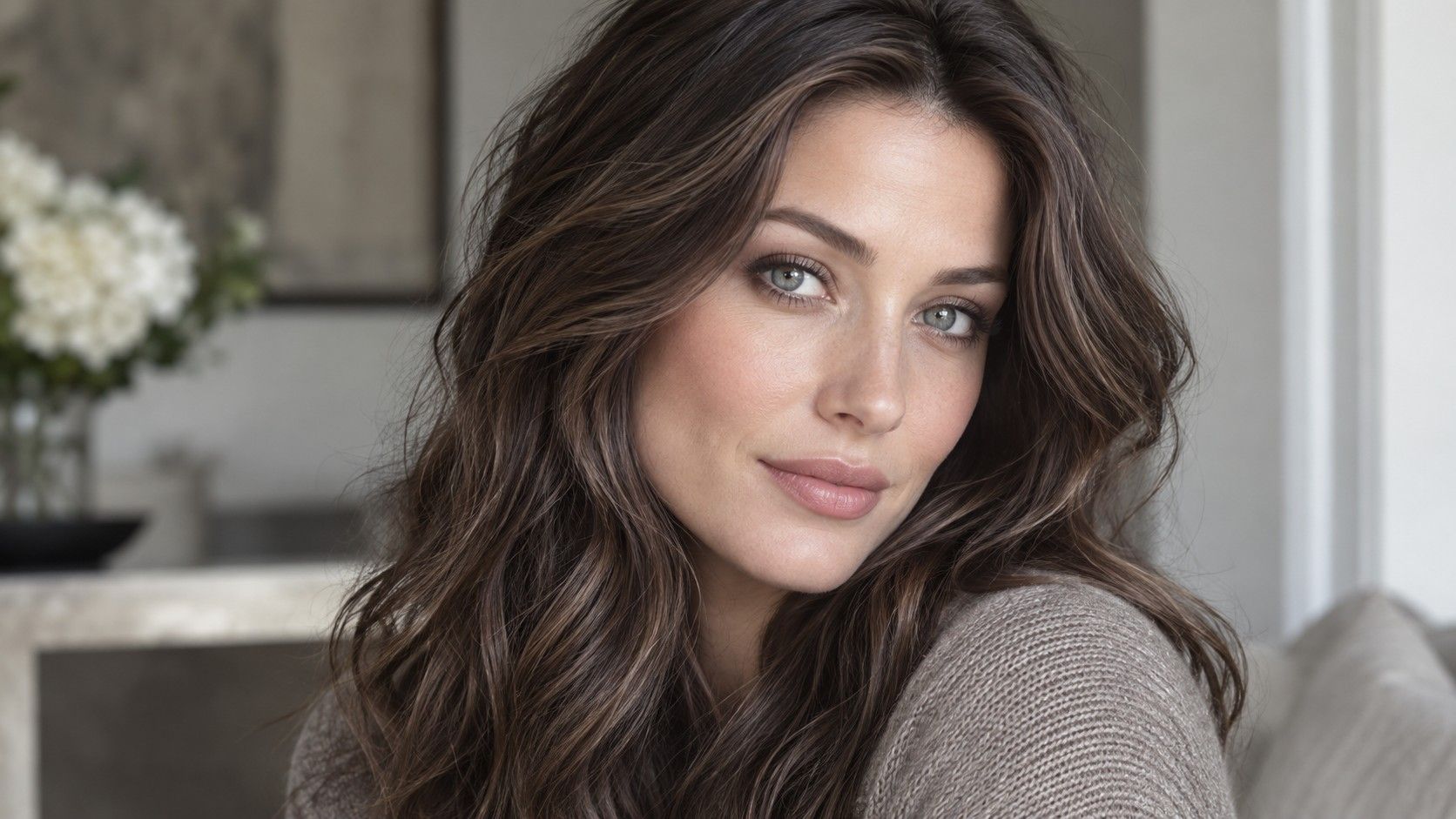
Hair color trends 2027 will be discussed long before 2027 has arrived, usually with certainty that no salon calendar can justify. Trend forecasts are more useful as a menu than a prediction. They show a direction in technique, contrast, and maintenance preferences; they do not tell you what will suit your existing color history or what you will enjoy seeing in the mirror after the first rush wears off.
Treat trend forecasts as a menu
Start with the parts of a trend rather than its headline. A photo may be called “expensive brunette,” “quiet copper,” or “lived-in blonde,” but what you may actually like is the low contrast at the root, the reflective finish, or the placement around the cheekbones. Separate those details from the model’s natural hair density, lighting, styling, and filters. Then you can ask for the technique that appeals to you without copying a color that belongs to someone else’s canvas.
For a useful consultation, bring one photo for tone, one for placement, and one for the amount of upkeep you can tolerate. State your current base and whether you want grey coverage, a gradual change, or a clear transformation. A stylist can build a plan when the goal is specific. “I like this warm brunette, but I want a soft root and no bold ribbons” is far easier to translate than “make me 2027.”
Expect variation by hair type and geography. Color trends are shaped by what clients ask for, the products salons are using, and social media’s appetite for a new name. The practical techniques underneath are less temporary: foiled lights, painting, glossing, root shadows, and carefully controlled lowlights. A good service can borrow the current mood without becoming dated in a season.
Warm brunette direction
Warm brunette is likely to keep drawing attention because it gives dark hair reflection without requiring a blonde identity. Think chestnut, cinnamon brown, soft auburn-brown, and deep honeyed brunette rather than wide caramel stripes. The newer-looking version usually has warmth placed inside a believable depth, with the root left closer to natural and the ends kept glossy.
The key decision is how much warmth your hair can hold before it looks orange to you. If your natural hair exposes copper readily during lightening, the stylist may need to choose a quieter warm result or use a gloss to refine it. Warm does not mean unedited. A balanced brunette can have gold and red reflections while still looking polished in daylight.
Maintenance is friendlier when the brightness begins away from the scalp. Fine painted pieces through the surface can create a sun-touched effect, and a deeper root can make the grow-out feel deliberate. If you want coverage for greys, the root formula may be different from the lengths. That is normal. The most natural-looking brunette results are often built from more than one carefully chosen tone.
Soft blonde direction
Soft blonde is a useful counterpoint to very bright, high-contrast blonde. It relies on beige, wheat, sand, cream, and neutral-gold notes with a diffused transition from the root. This does not mean every blonde needs to be warm. Cool beige and pearl can still fit the direction when they remain dimensional rather than white.
Lived-in blonde works because it lets the natural root participate in the finished color. A root shadow or gentle root melt connects the base to lighter pieces, reducing the stark line that appears as soon as hair grows. Face-framing brightness can be customized: subtle for someone who wants a quiet effect, or more pronounced for someone who enjoys contrast. The rest of the hair does not need to match that brightness exactly.
Toner will remain part of the blonde conversation. Lightened hair shifts over time, and the right maintenance can keep beige from becoming brassy or ash from becoming dull. Ask whether your goal needs a full highlight appointment, a partial service, or a gloss. Those options produce different results and different bills, which matters more than a trend label.
Copper and red directions
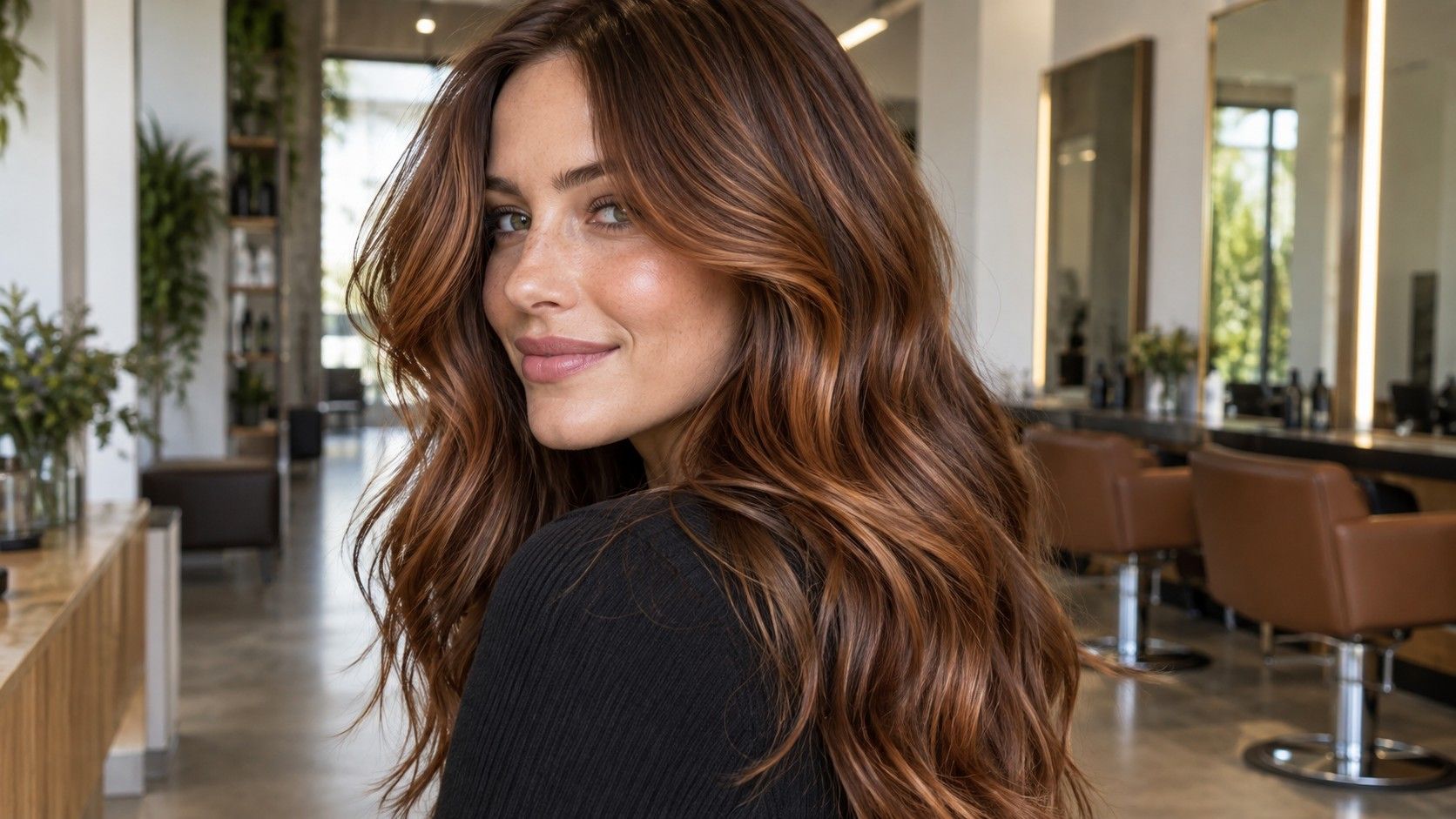
Copper continues to appeal because it is expressive without looking synthetic when the depth is right. The wearable approach is likely to favor customized copper: strawberry copper on lighter bases, cinnamon copper through brunette hair, and auburn or wine-red for deeper hair. Instead of one universal orange, expect more attention to whether the shade leans golden, true copper, brown-red, or berry.
Red color asks for honesty about fade. It can look exceptionally rich after a salon service and then soften quickly with washing, heat, and sun. A gloss can extend the feeling between full applications, while color-depositing conditioner may help some tones. Still, choose copper because you like its changing character, not because you expect it to behave like permanent dark brown.
A strand test is worth considering when your hair has old highlights, box color, or porous ends. Copper can take differently across those areas. A stylist who sees the result on a small section can adjust before the whole head is colored, which is much more useful than trying to fix unevenness later.
Choose a trend your maintenance can support
The most relevant hair color trend for 2027 may be a return to decisions that are easier to maintain. Root shadows, low-contrast ribbons, and gloss-first refinements allow clients to change direction without constantly bleaching or permanently darkening every strand. They also make room for a color to evolve rather than looking unfinished the moment the root appears.
Ask yourself three plain questions before booking: How often will I return? Do I enjoy using toning or color-care products? Will this shade still feel like me when I wear little makeup and my hair is air-dried? The answers narrow a huge trend list into a sensible choice. A rich brunette refreshed every eight weeks can be more current in practice than an icy blonde that only looks right for ten days.
Trend language is fun, but your best color should not depend on it. Choose a tone that suits the depth you can maintain, a technique that flatters your haircut, and a finish that still has dimension in ordinary light. Then a 2027 direction becomes a useful reference rather than another reason to start over at every appointment.