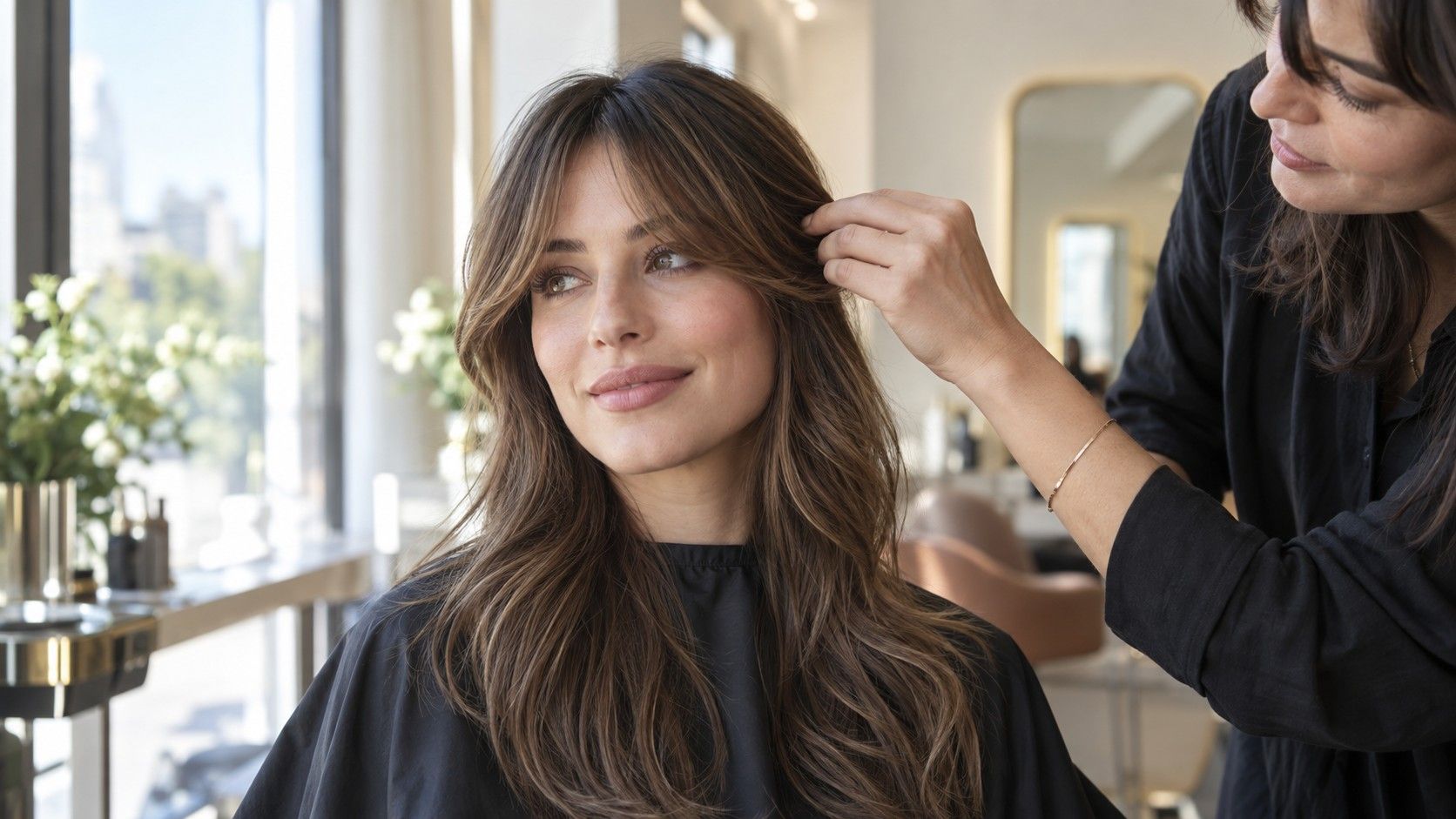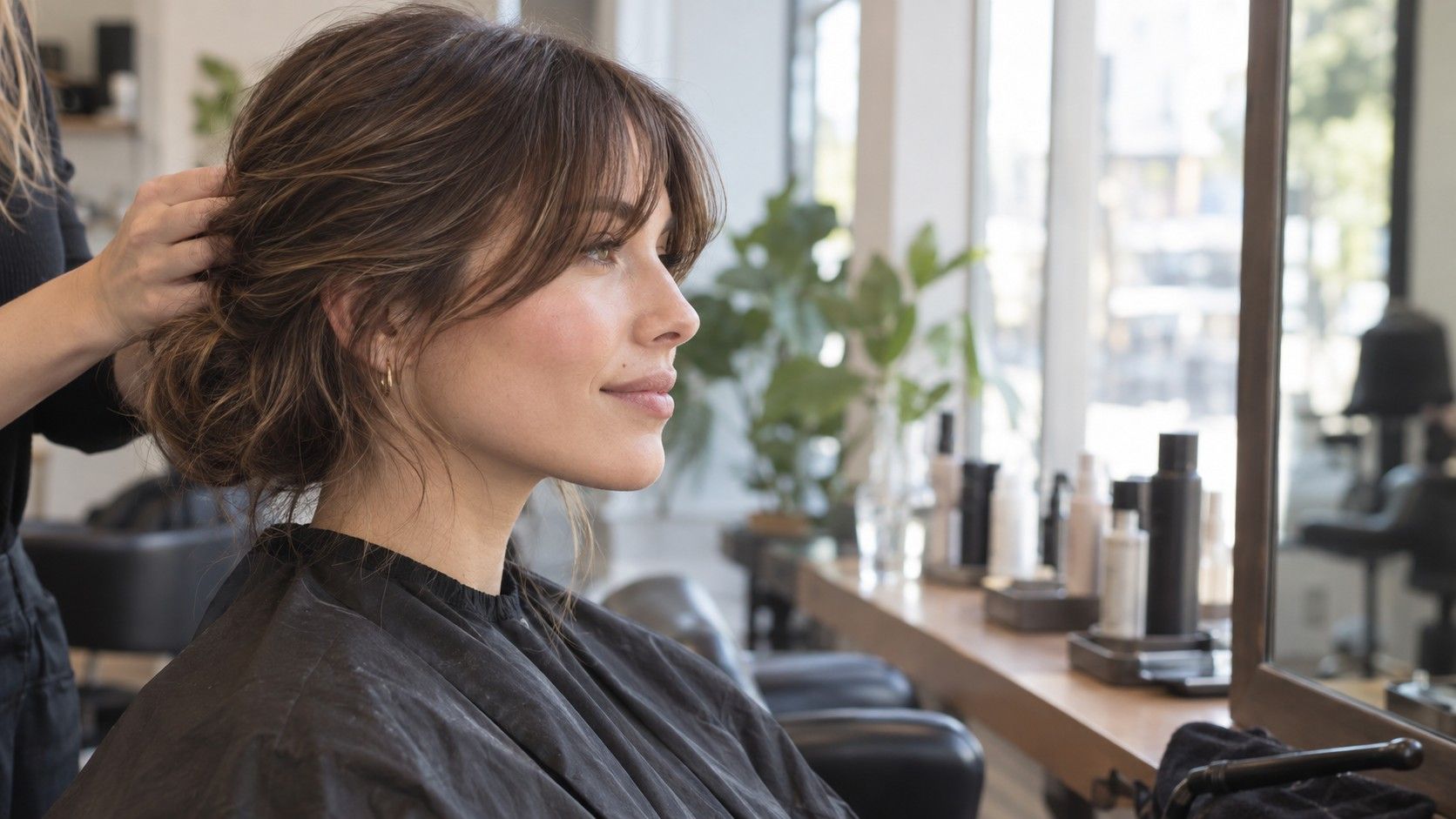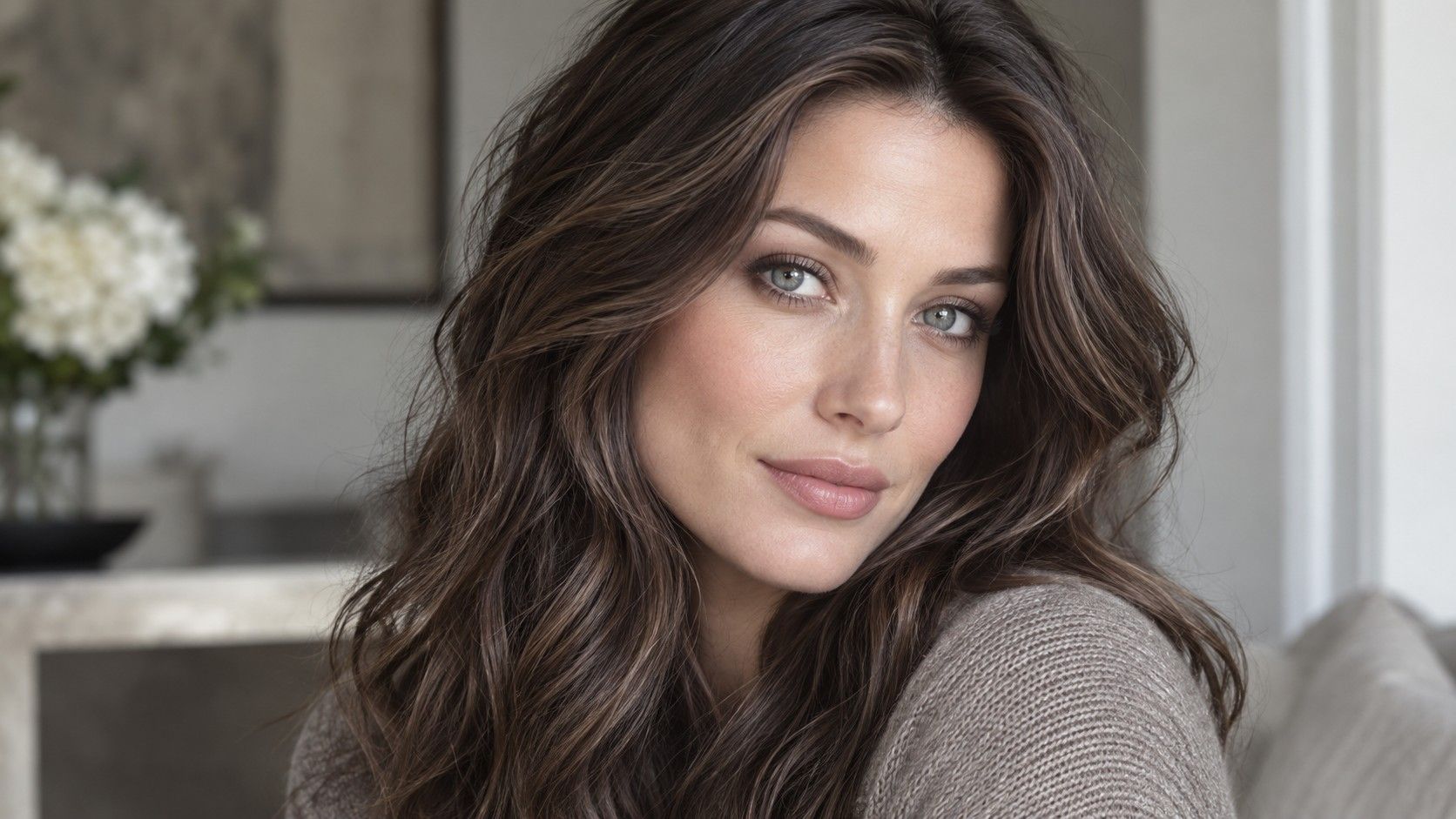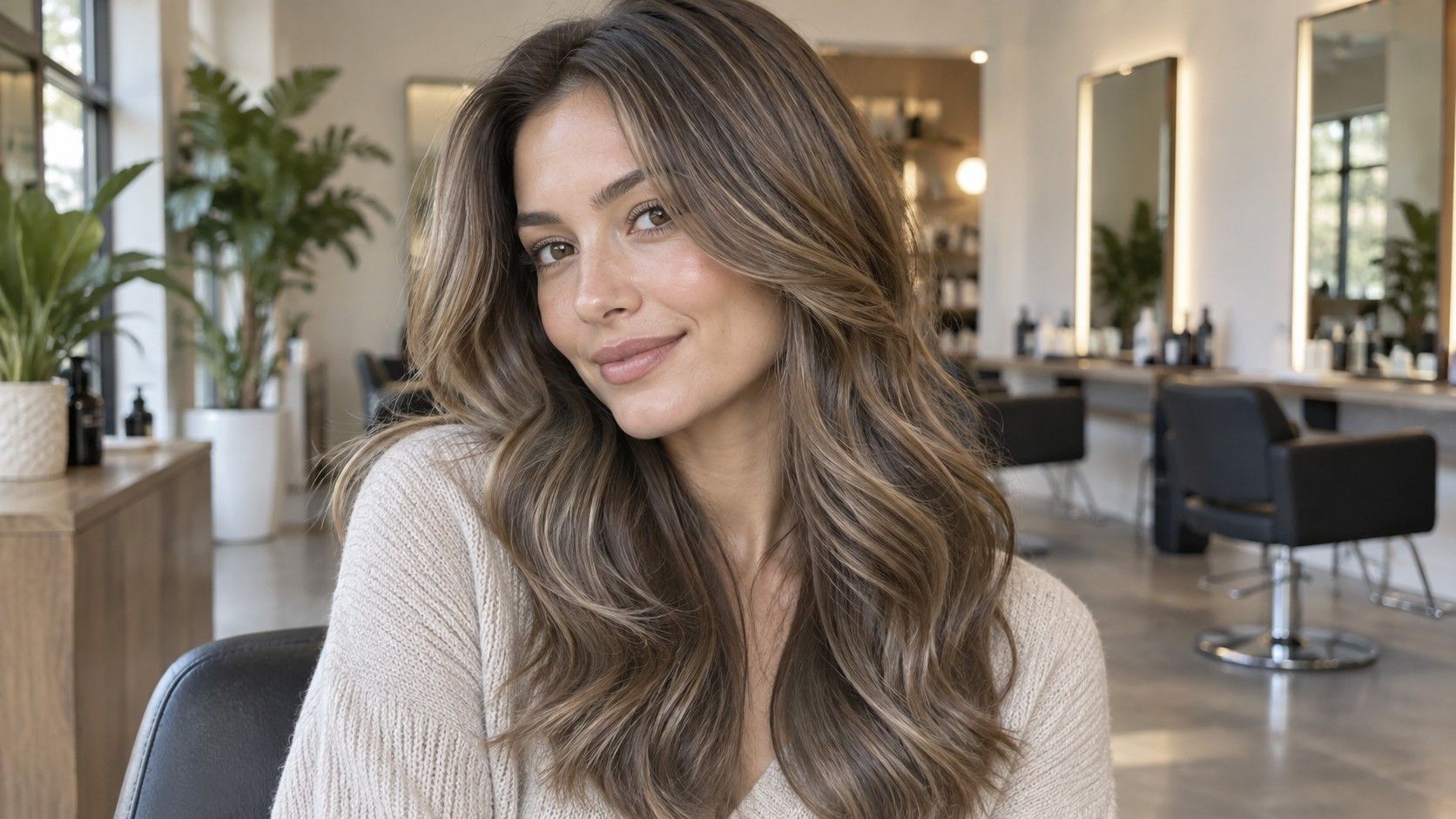
Neutral undertones sound wonderfully easy: surely every hair color is available if you are neither obviously warm nor obviously cool. In practice, that freedom can make the salon chair more confusing. A neutral complexion can carry a broad range of colors, but it is also quick to look beige beside a shade with no contrast, no shine, or too much of one temperature.
Confirm a neutral undertone without making it a verdict
Neutral skin often shows a mix of signals. Silver jewelry may look fine, but gold does too. Veins may appear blue-green rather than clearly blue or green. Foundation labels can be confusing because undertone and depth are separate things; a light neutral complexion and a deep neutral complexion need very different hair-color contrast. Treat these cues as a starting point, not a diagnosis that must be correct forever.
Look at your face in daylight with your natural hair pulled away. Do you notice pinkness, olive, golden warmth, or a muted quality? Then compare that with the root color that grew there without help. Natural roots are not always your most flattering option, but they show the level of contrast your features already handle. If your brows and eyes are soft, an intense black or platinum blonde may need more styling support than the inspiration photo suggests.
A neutral undertone can lean differently through the year. A summer tan may bring out gold, while winter skin can look cooler and clearer. This is one reason flexible shades work so well: a beige blonde can be glossed more pearly or more honeyed, and a medium brown can be cooled with mushroom tones or warmed with a cinnamon veil. You are choosing a base that can move, not locking yourself into a label.
Use depth before temperature when a color feels wrong
When hair color makes a neutral complexion look drained, people often blame warmth or ash. The real issue is frequently depth. A blonde that is too pale can erase the natural contour of the face; a brown that is too dark can create a hard outline and make every bit of redness more visible. Move one level lighter or darker before making a dramatic temperature correction. That small adjustment can be more flattering than switching from all-gold to all-ash.
Medium-depth hair is especially useful for neutral complexions because it leaves room for both light and shadow. Bronde, medium beige brown, milk-chocolate brown, and dark blonde can be built with a deeper root and fine reflective pieces around the face. The result has contrast without looking striped. It also grows out more gracefully than a solid, high-contrast color, which matters if you do not want the root line to become the main feature after four weeks.
If you like a bold change, decide where you want the depth to sit. A dark root with lighter ends gives the face structure and keeps a bright blonde from floating away. A lighter halo around the face can soften a dark brunette without asking you to maintain an entire head of highlights. Placement is part of color choice; it should be discussed as carefully as the words blonde, brown, copper, or red.
Build dimension into blonde instead of choosing one beige
Beige blonde is popular for neutral undertones because it sits between icy and buttery. Its weakness is that it can become visually flat when every strand is toned to the same quiet beige. A better approach is to preserve a subtle root shadow, add a few fine cooler pieces for brightness, and include slightly warmer lowlights for depth. None of those tones needs to announce itself; together they keep the hair from reading like a single matte fabric.
Consider your starting point. Dark hair lifted very quickly exposes strong gold and orange pigment, so achieving a soft neutral blonde may require several sessions and careful conditioning. A convincing result is more important than reaching the palest possible level in one day. Ask how the colorist plans to manage warmth between appointments, whether a gloss will be needed, and how much of your natural root will stay visible. Those details are more useful than a promise that the finished shade will be exactly “neutral.”
For naturally light hair, lowlights can provide the missing structure. Fine mushroom, sandy, or taupe strands placed underneath a light beige surface can make the eyes and brows look more present. They also reduce the constant need to brighten the whole head. This is one of the quiet advantages of neutral coloring: a lowlight does not have to be obviously cool or warm to create a finished look.
Choose browns, coppers, and reds with a clear intention
Mushroom brown is a dependable option when you want a calm, polished brunette that does not pull red. It suits many neutral complexions, especially when it includes a little soft cocoa underneath. Completely grey-brown hair can look dull on skin that has any warmth, so ask for a lived-in neutral rather than an aggressively ashy formula. Natural movement and shine will keep it from feeling heavy.
Chocolate, chestnut, and soft auburn are good choices if you want warmth without turning the complexion yellow. For a neutral base, the most wearable warm tones usually have a brown foundation. Think cinnamon-brown, rose-brown, coppery chestnut, or a muted strawberry gloss over dark blonde. A vivid orange copper can be wonderful, but it is a style statement that asks for regular refreshes; it should be chosen because you love it, not because a neutral undertone supposedly makes it safe.
| Color direction | Useful when you want | Practical note |
| Beige blonde with a shadow root | Brightness without a stark look | Glossing keeps the beige balance intact |
| Mushroom or cocoa brown | Definition with restrained warmth | Add subtle warmth if the face looks grey |
| Bronde with fine ribbons | A low-commitment change from natural hair | Works well with gradual maintenance |
| Soft copper or cinnamon | More life around the face | Fades faster and benefits from color-safe care |
The point is not to collect every shade that a neutral person can wear. Pick one direction that supports your haircut and routine. A blunt bob often looks especially polished with a glossy, dimensional brunette. Long layers show the movement of bronde or soft copper well. Tight curls can make multiple tones appear richer and deeper than they do on straight hair, so a colorist may need to place highlights more sparingly.
Bring useful reference photos and a maintenance plan
Reference photos work best when they show hair similar to yours in density, texture, and starting level. A smooth, lightened model with a studio blowout is not a promise for thick dark curls or fine hair that air-dries. Bring one picture for the overall depth, one for the warmth or coolness, and one for the placement. That gives a colorist enough information to build a realistic version rather than copying an impossible combination of filters and lighting.
During the consultation, say what you disliked about past color. “Too orange,” “too grey,” “too dark at the roots,” and “my face disappeared” are useful descriptions. They identify the balance problem. Then ask what will happen as the color fades. A neutral-skin-tone hair color should still look plausible between appointments, not only under fresh salon lights. Glazes, root melts, and lowlights can be selected partly for the way they age.
Finally, give shine the same attention as tone. Neutral colors depend on reflection; damaged, porous hair can make even a well-mixed beige or brown look chalky. Use a heat protectant, avoid repeated high-heat passes on the same section, and choose a refresh schedule you can keep. The shade that makes your skin look balanced is usually the one with enough depth, enough light, and enough condition to keep changing gently with you.