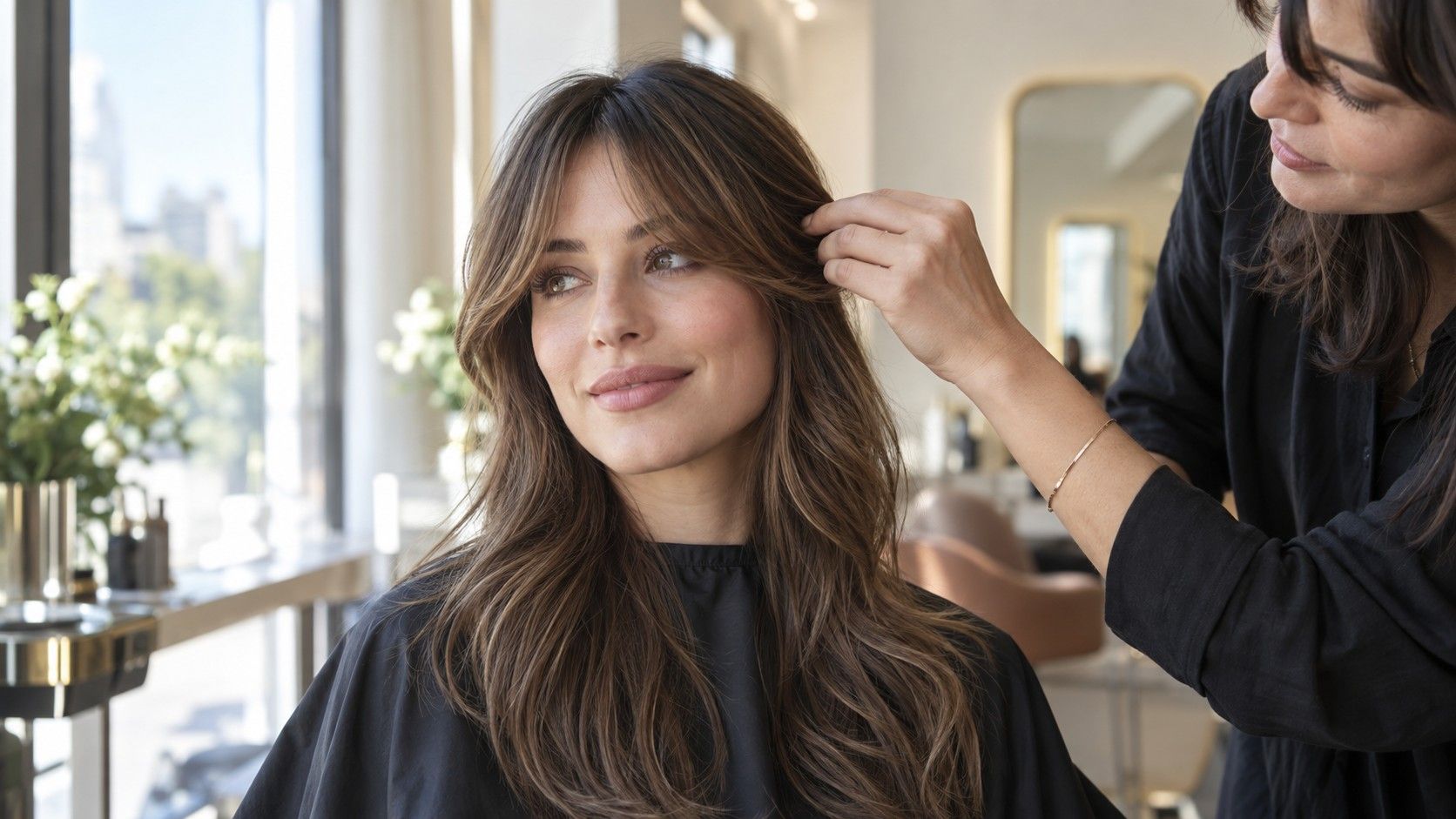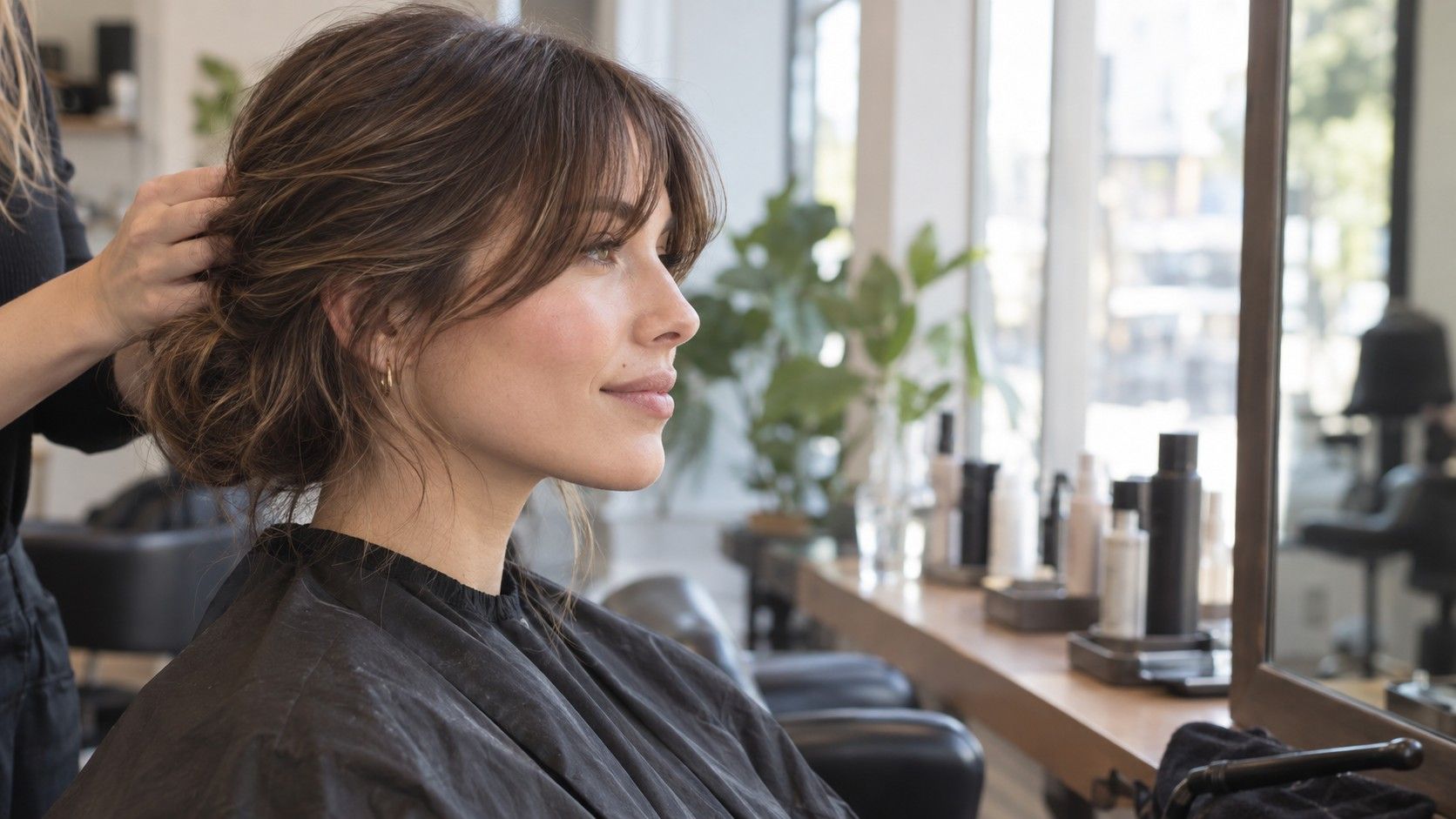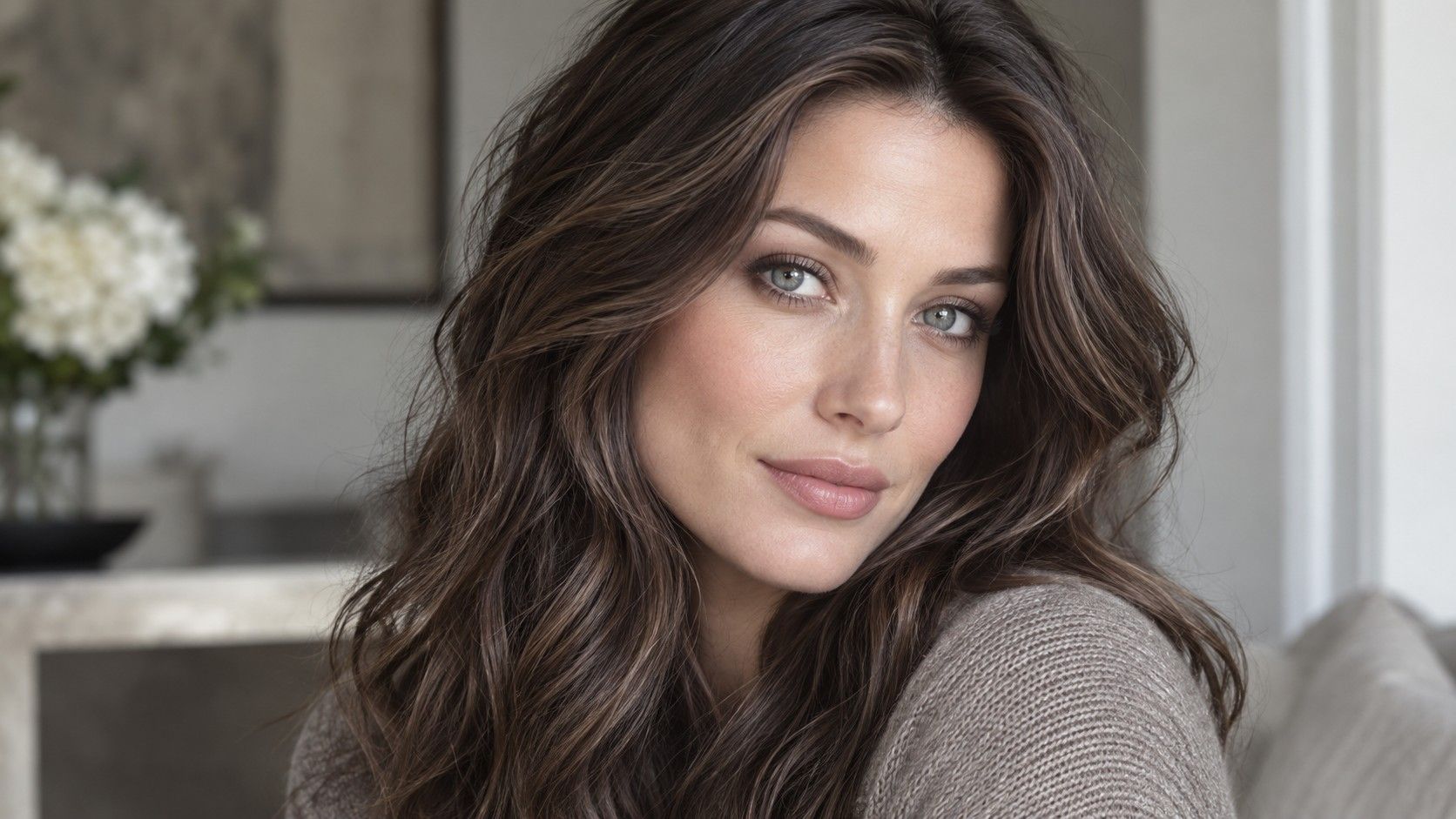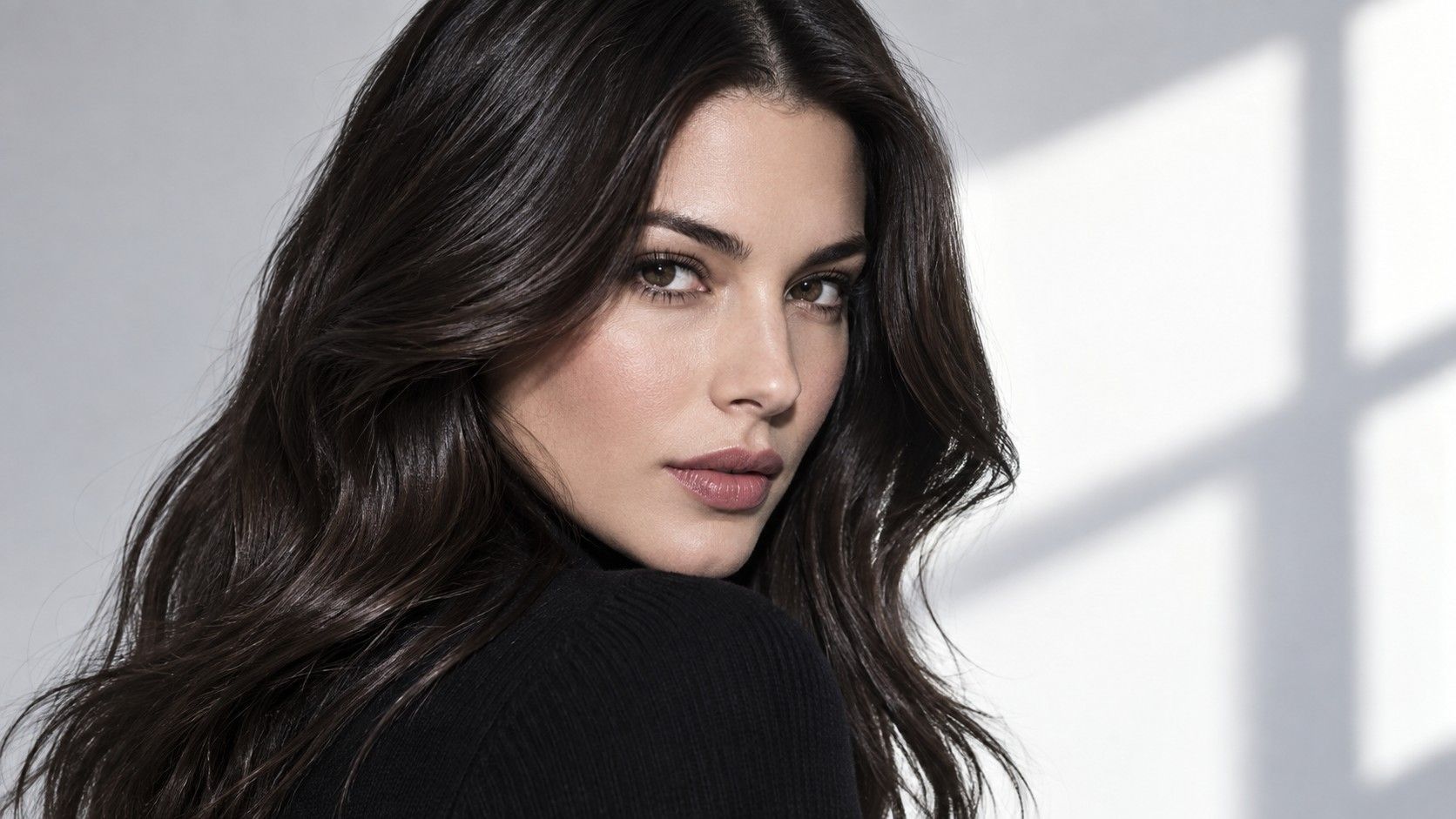
Deep Winter hair colors are often described with the same dramatic words: black, espresso, jewel-toned, high contrast. Those ideas can be useful, but they can also send someone from a rich brunette to a severe box-dye result in one appointment. The practical version is simpler. Choose depth that supports your natural coloring, coolness that does not look dusty, and enough shine or dimension to keep dark hair from becoming a wall around the face.
What makes a shade feel Deep Winter
Depth and clarity are the key ideas. A Deep Winter direction usually looks more convincing in a clear dark brown than in a soft, dusty ash brown. The color can be cool, but it should have life. Espresso, dark chocolate with a neutral-cool finish, black cherry, and blue-black all have more visual presence than mushroom tones. That presence is why the same shade can look polished on one person and costume-like on another.
Contrast is not only about hair versus skin. It also comes from brows, eyes, makeup, and the clothing you wear. If your hair is naturally medium brown and your features are gentle, dyeing to blue-black may create a contrast level that demands styling every day. A level-four espresso gloss with a slightly darker root can often deliver the same sophisticated feeling with far less harshness.
Before committing, look at dark reference photos in daylight. Many online images are edited toward blue or black, while the salon formula underneath is a layered brunette. Ask the stylist to explain the level and whether the finish will fade warmer, cooler, or simply lighter. This small question separates a controlled dark color from a surprise that looks red after three washes.
Dark brunette choices
Espresso is the safest starting point for many people exploring Deep Winter hair colors. It is dark enough to feel substantial, but it leaves room for a little brown reflection in the sun. A neutral-cool espresso can be refreshed with a clear or tinted gloss, which is gentler than repeatedly pulling permanent color through the ends. If your natural base is already dark, a shine service and carefully placed lowlights may be all the change you need.
Cool dark chocolate works when pure espresso feels too stark. It can include a restrained mocha undertone without becoming warm chestnut. The word restrained matters: large caramel panels may interrupt the deep, clear effect, while fine tonal pieces one level lighter can create movement. In a ponytail or loose wave, those pieces stop the hair from looking like a single opaque helmet.
For greys, discuss coverage honestly. Permanent color at the root can provide opacity, but it may create a dense band against softer midlengths. Demi-permanent color, blending, or a root-only approach may suit a lower-maintenance routine. Dark colors make a visible regrowth line faster than most people expect, so choose a formula around your actual salon schedule rather than an idealized one.
Black without a costume effect
Blue-black is striking because it has a cool reflective cast, not because it is the darkest possible pigment. On healthy hair, the blue note can read as polished depth. On dry or overprocessed hair, it may read flat or slightly artificial. A black gloss over a dark base is often a more forgiving first experiment than an opaque permanent black application from roots to ends.
Ask for dimension even when you want hair that appears nearly black. The dimension does not have to be blonde or obvious. A subtle deeper root, a neutral-black midlength, and a reflective gloss can create shape. Fine pieces around the face may be left a fraction softer than the rest, so the color frames rather than swallows the features.
Going black is easiest to reverse when you have not overfilled and overlayered it. Keep photos of your natural base and tell the stylist if you might want to return to brown later. Removing dark artificial pigment is a process, especially if the hair has been colored repeatedly. A dramatic look should still have an exit route.
Red and burgundy options
Deep berry, black cherry, wine, and cool burgundy can bring color into a dark palette without turning orange. These shades tend to work best when the red is integrated into a deep brunette base rather than placed as a bright all-over red. In indoor light the hair may look dark; in daylight the wine reflection becomes visible. That slow reveal is generally more wearable than a vivid red that has to be constantly refreshed.
Red molecules fade differently from brown and black pigments, so maintenance deserves a place in the decision. Color-safe shampoo, cooler water, heat protection, and regular gloss appointments help, but they do not make burgundy permanent. Decide whether you enjoy a color that changes softly between visits. If not, a cool espresso with a subtle violet sheen may satisfy the mood with less upkeep.
Bring a photo that shows burgundy on someone with a similar hair depth. The same formula on pre-lightened hair can look magenta, while on very dark virgin hair it can look nearly black. A strand test is useful when the requested tone is specific. It is not fussy; it is a way to see the hair’s actual canvas before the whole head is involved.
Gloss, dimension, and maintenance
Dark color is at its best when it reflects light. A gloss can restore shine, refine the tone, and make a brunette look newly colored without always adding another permanent layer. If the ends are porous, they may grab cool pigment more strongly than the roots. Your stylist can adjust the formula or timing so the result stays even rather than turning inky at the bottom.
At home, avoid treating every hint of warmth as an emergency. Some warmth is the underlying pigment that gives dark hair depth. Use blue shampoo or toning products only if they were recommended for your exact color, because too much can leave dark hair dull. If shine disappears first, focus on conditioning and a gloss appointment rather than buying a stronger pigment shampoo.
The best Deep Winter hair color is not necessarily blackest or coolest. It is the one whose depth makes your features look awake, whose reflection still looks intentional after several washes, and whose maintenance fits the life you actually lead. High contrast is powerful when it is chosen, not when it has taken over the whole face.