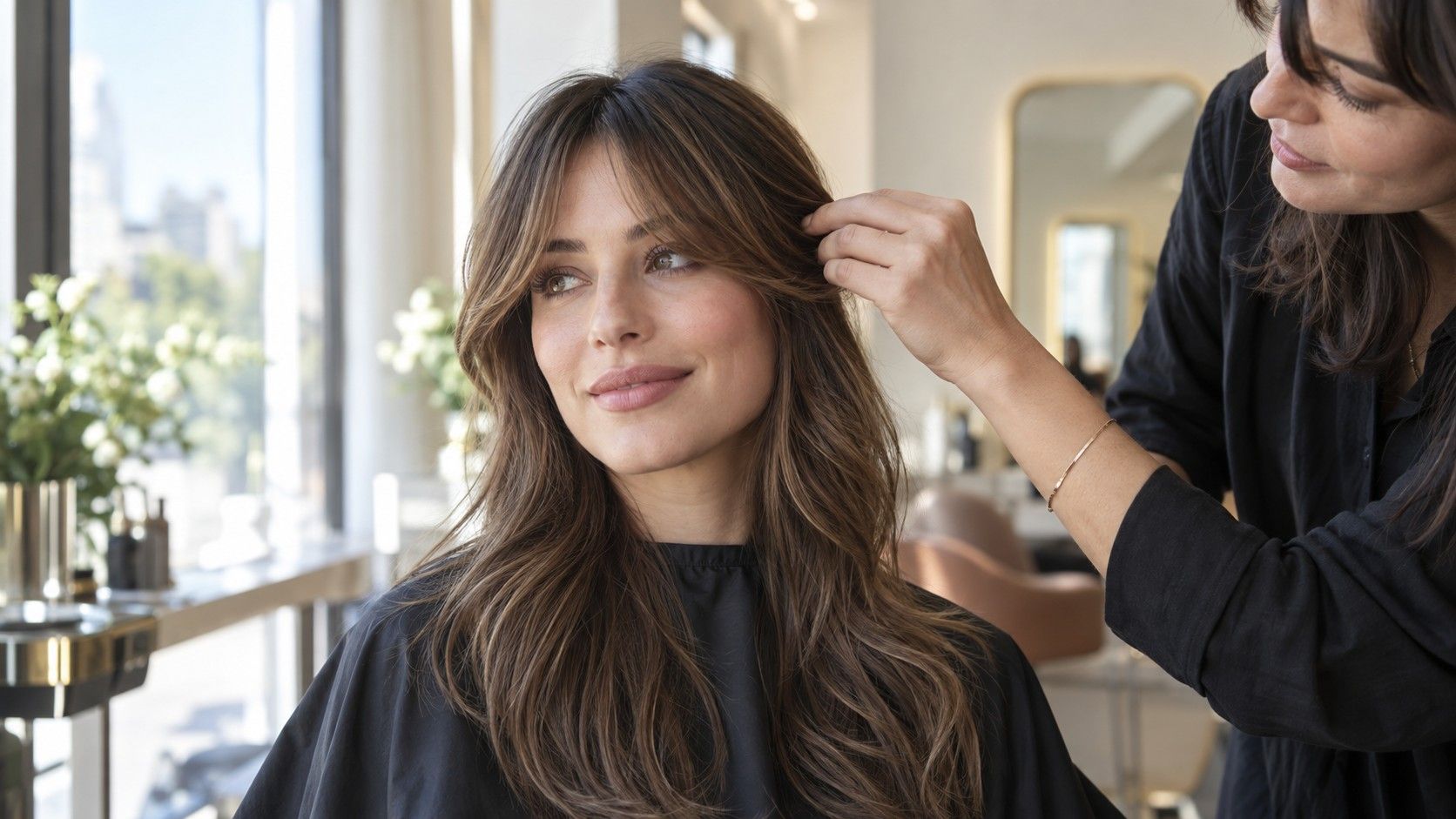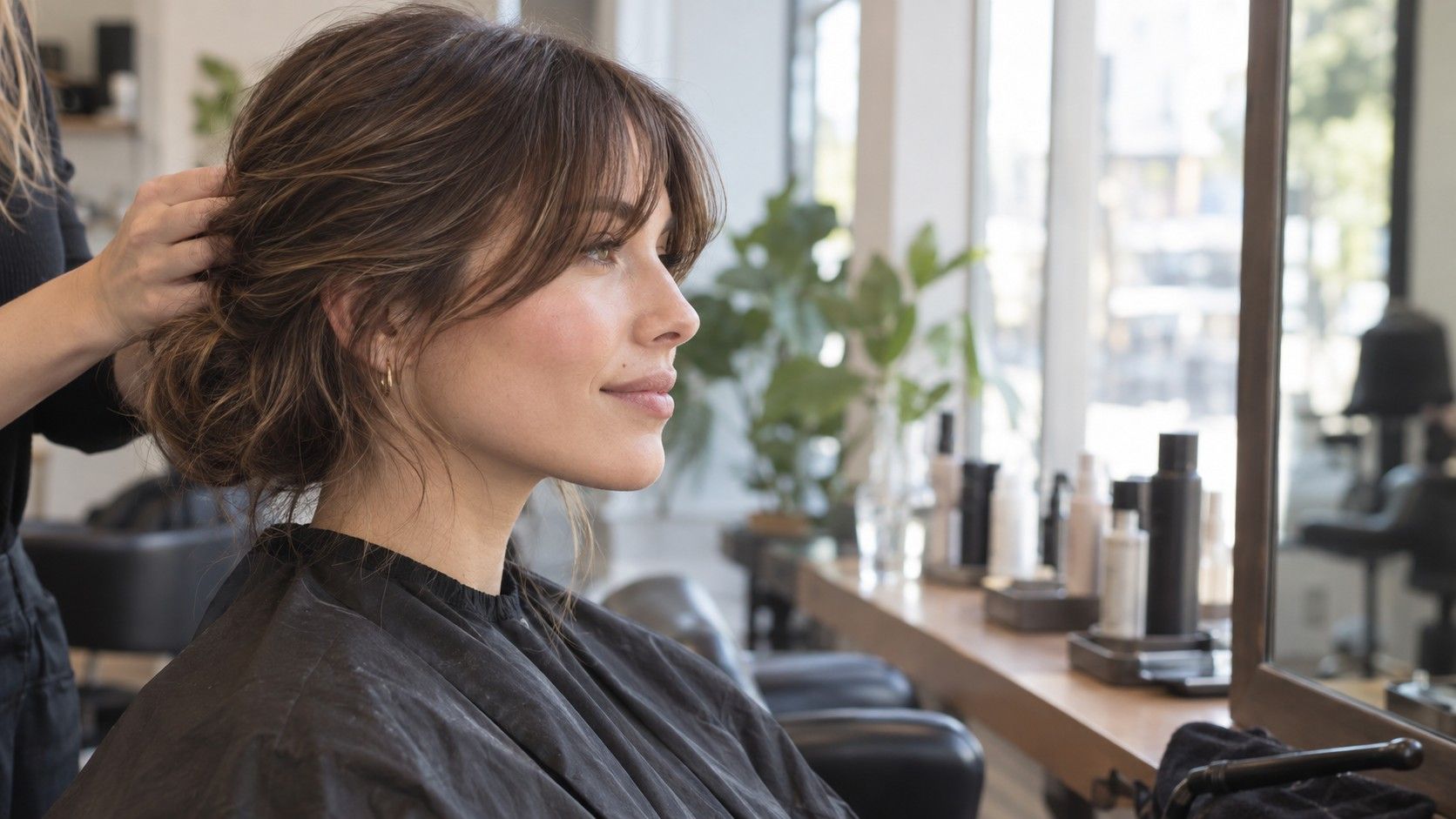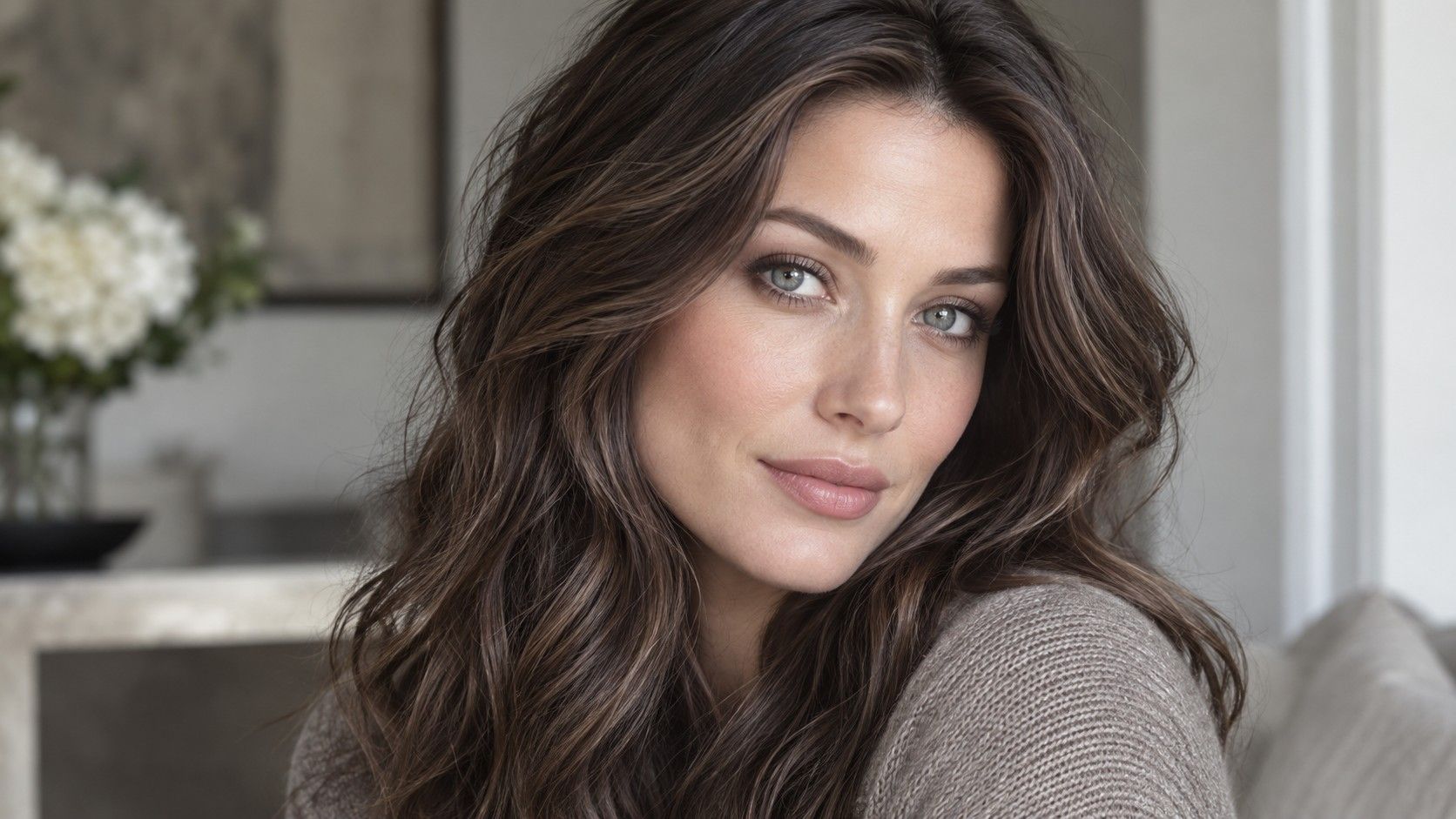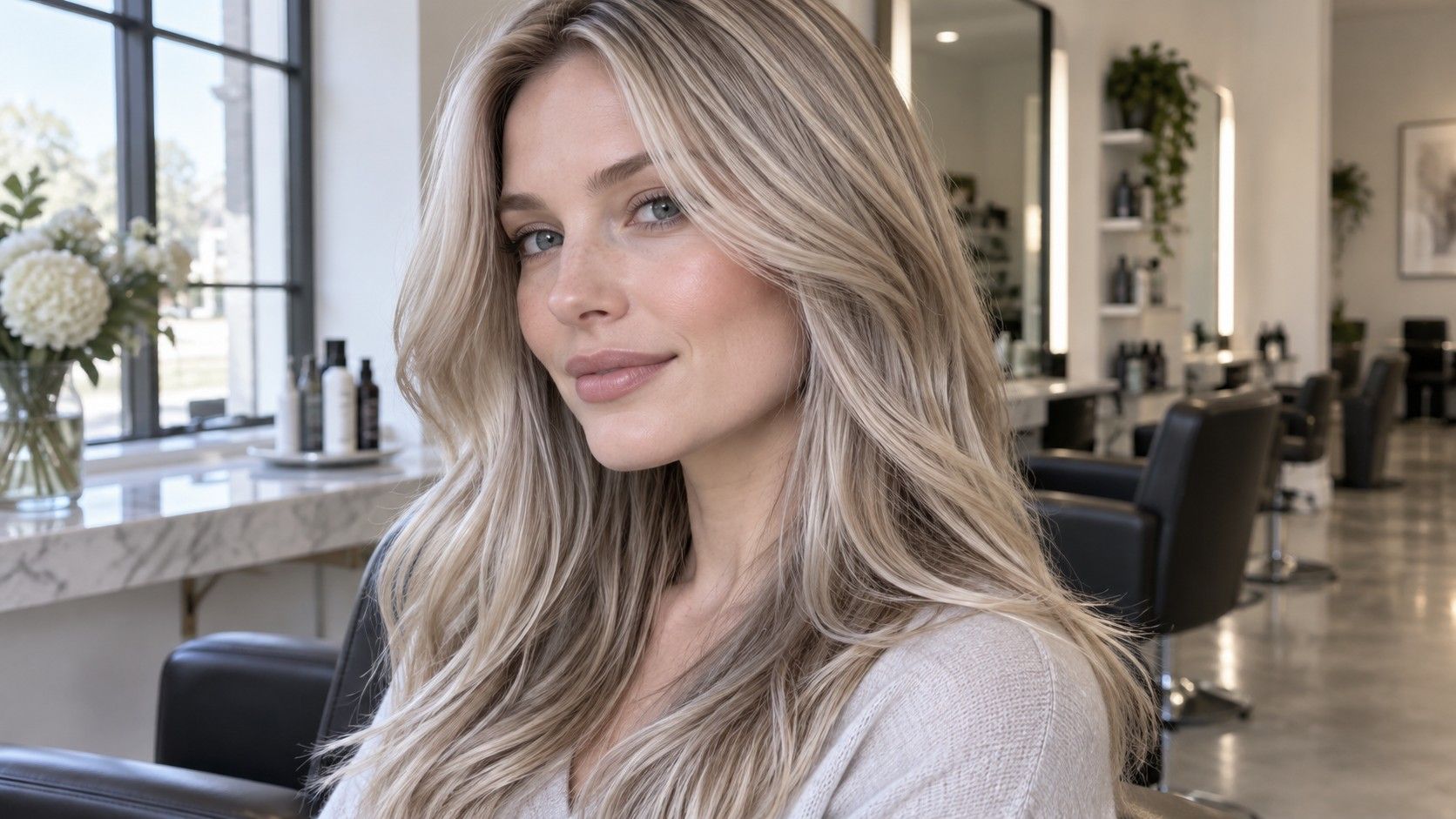
Cool Summer hair color is often reduced to one instruction: go ashier. That is not wrong, but it is incomplete enough to cause some very beige, very lifeless salon results. The useful idea is softer coolness, not grey hair on demand. A flattering shade usually keeps the overall contrast gentle, avoids an orange cast, and still leaves enough light and dark movement for the hair to look like hair rather than a flat color swatch.
What soft cool color means
Soft contrast is the center of a good Cool Summer hair color. The difference between your roots, mids, and lighter pieces should look blended from a normal conversation distance. Very dark roots with platinum lengths can overpower a low-contrast complexion, while a single pale ash blonde can erase dimension. Think in nearby values: a neutral-cool root, a beige-ash midlength, and fine lights that are only one or two levels brighter.
Cool does not have to mean silver. Ash beige, pearl, mushroom, smoked taupe, and cool sand are usually more wearable words to use with a stylist. They signal restraint. Ask what warmth is likely to show through your existing hair during lifting, and ask how the formula will be balanced after that warmth appears. A reliable colorist expects a warm underlying pigment; they do not promise it will never exist.
The mirror test should happen in more than one light. A shade that looks beautifully smoky under salon LEDs may turn greenish or overly dark beside a window. Look at the perimeter around the face, then at the crown, where color often appears deeper. If the face-framing pieces look separate from the rest, the contrast may be too sharp even if the individual tone is technically cool.
Blonde choices with movement
For naturally light to medium hair, a cool beige blonde is often easier to live with than a bright icy blonde. It has a little neutral softness underneath the cool finish, so it does not make every trace of warmth look like a mistake. Fine babylights around the hairline, a diffused root melt, and a slightly deeper nape create movement without turning the appointment into a full bleach routine.
Mushroom blonde works particularly well when you want a darker, quieter blonde. It sits between beige blonde and light brown, with taupe and soft ash notes rather than visible gold. It is not meant to look dramatic. That is precisely its strength for someone whose clothes, makeup, and natural features read better in softened colors. A few delicate brighter ribbons can keep mushroom blonde from looking like one solid block.
If your hair pulls warm easily, do not request an aggressive toner every time. Over-toning can leave pale pieces dull, violet, or oddly khaki, especially on porous ends. A gentler gloss may be enough between lightening appointments. Purple shampoo can help, but it is a maintenance product rather than an everyday corrective. Use it only as often as the hair actually needs it and follow with moisture.
Brunette choices without heaviness
Cool Summer brunette is usually medium rather than inky. Mushroom brown, soft mocha, cool cocoa, and muted dark blonde can give the hair shape without creating a hard outline around the face. The aim is a brown that reads neutral-cool in daylight, not black-brown under every condition. If your base is already dark, subtle lowlights and a gloss may create more of a change than pushing the whole head darker.
A useful salon conversation is about depth first, then tone. Ask whether a level-five or level-six result will keep enough softness against your skin before deciding how ash the finish should be. Many people chase coolness by going too dark, then discover that the color looks elegant only with full makeup. A softer medium brown lets the eyes and skin stay visible on an ordinary weekday.
Dimension matters in brunette hair too. Fine ribbons slightly lighter than the base, concentrated through the surface and around the face, can prevent a cool brown from looking dense. They should not be bright caramel if the goal is muted coolness. A neutral-beige or softly smoky lift is often enough. The best result looks different when the hair moves, not striped when it is still.
Why toner matters
Toner is the part of the plan that keeps a Cool Summer hair color coherent after the first week. Lightened hair reveals warmth over time, and water, heat styling, sun, and mineral buildup can all shift the finish. That does not mean the original service failed. It means the shade needs a maintenance plan before you decide how blonde or how ashy to go.
Ask your stylist whether you need a toner refresh, a gloss, or a full lightening service at the next visit. These are different commitments. A root melt can make grow-out easier by bridging your natural base to lighter lengths; it can also save you from chasing an overly bright hairline every six weeks. Keep a note of what looked good at week two and what bothered you at week seven. Those observations are more useful than a single saved photo.
At home, treat colored hair gently: use heat protection, avoid leaving toning shampoo on longer than directed, and add a clarifying wash only when buildup is the actual issue. If the color turns unexpectedly dull, do not layer random blue, purple, and silver products. Book a gloss discussion. Soft cool color needs editing, not escalation.
How to ask for the result you actually want
Bring three reference photos that show similar starting depth and texture, not just three beautiful finished colors. Point out what you like in each one: the blended root, the muted beige, the brightness near the cheekbones, or the lack of visible gold. Also say what you do not want, such as platinum, orange, grey, or a high-maintenance stripe at the parting.
A clear request might be: “I want a soft cool beige result with movement, not an icy solid blonde. My natural root can stay visible, and I would rather maintain a gloss than bleach the hairline constantly.” That gives the stylist room to assess what is possible on your hair while protecting the important part of the goal. The most convincing Cool Summer colors are rarely the coolest shades in the room. They are the ones that stay soft when real life, daylight, and regrowth arrive.