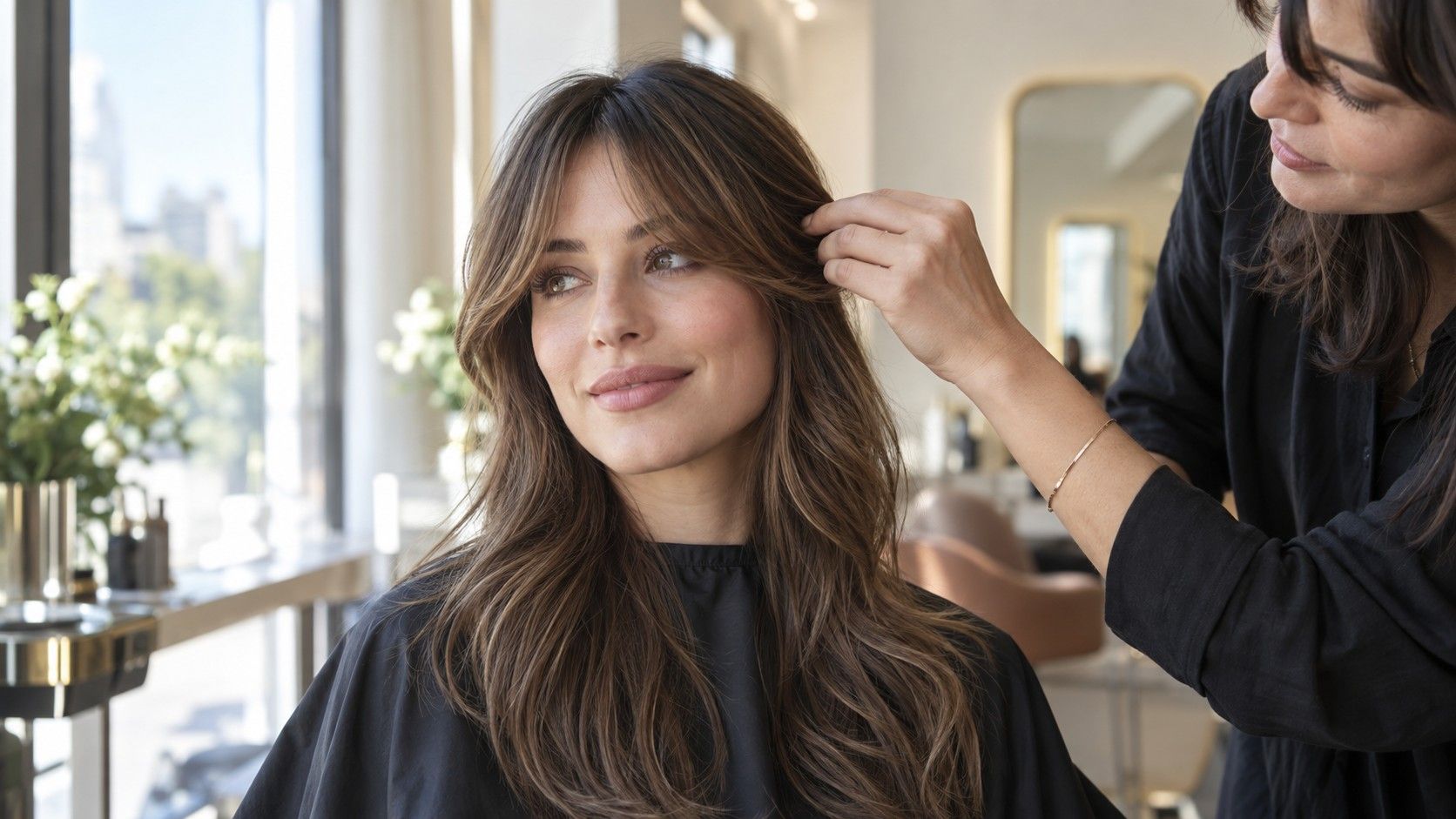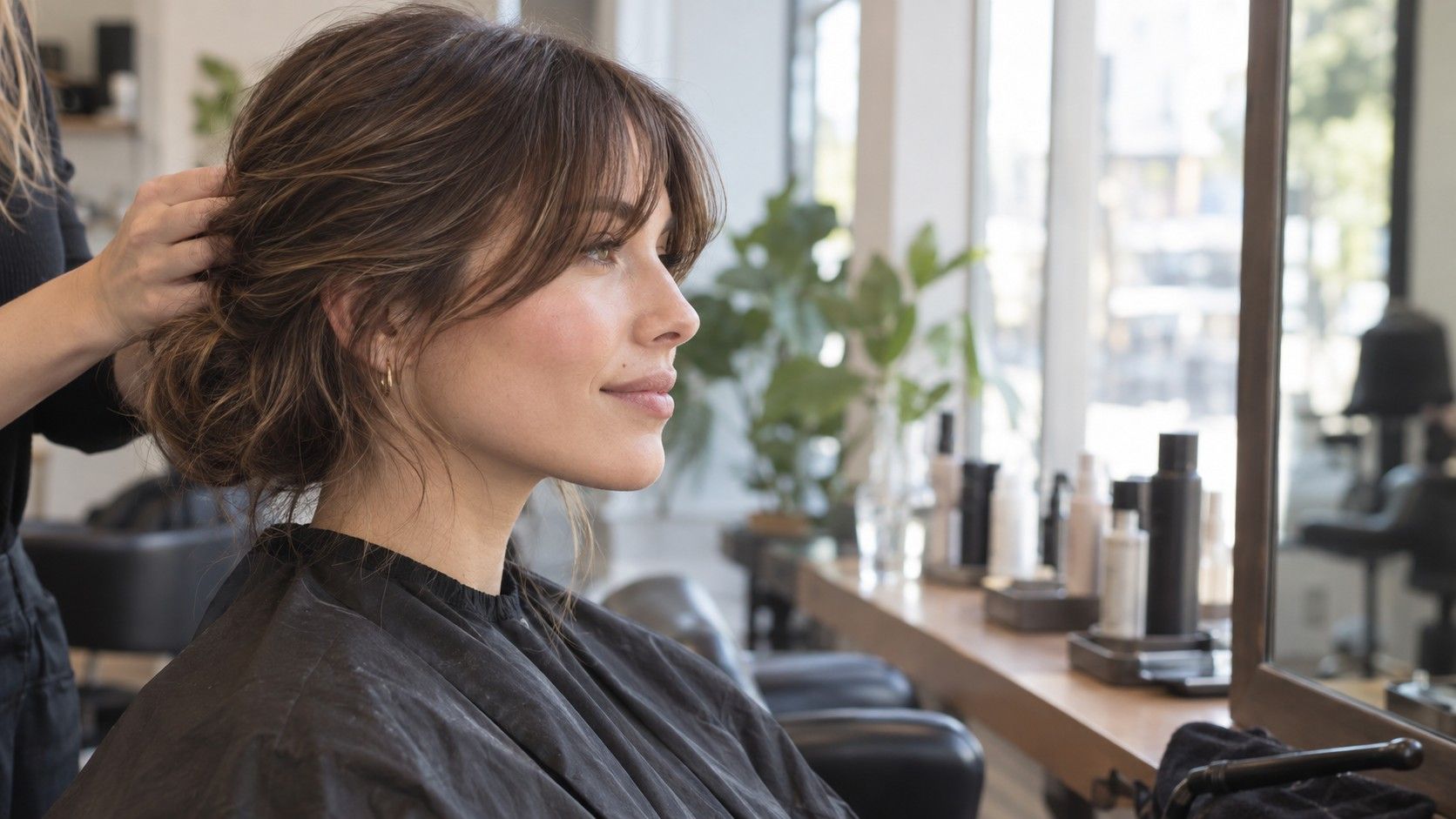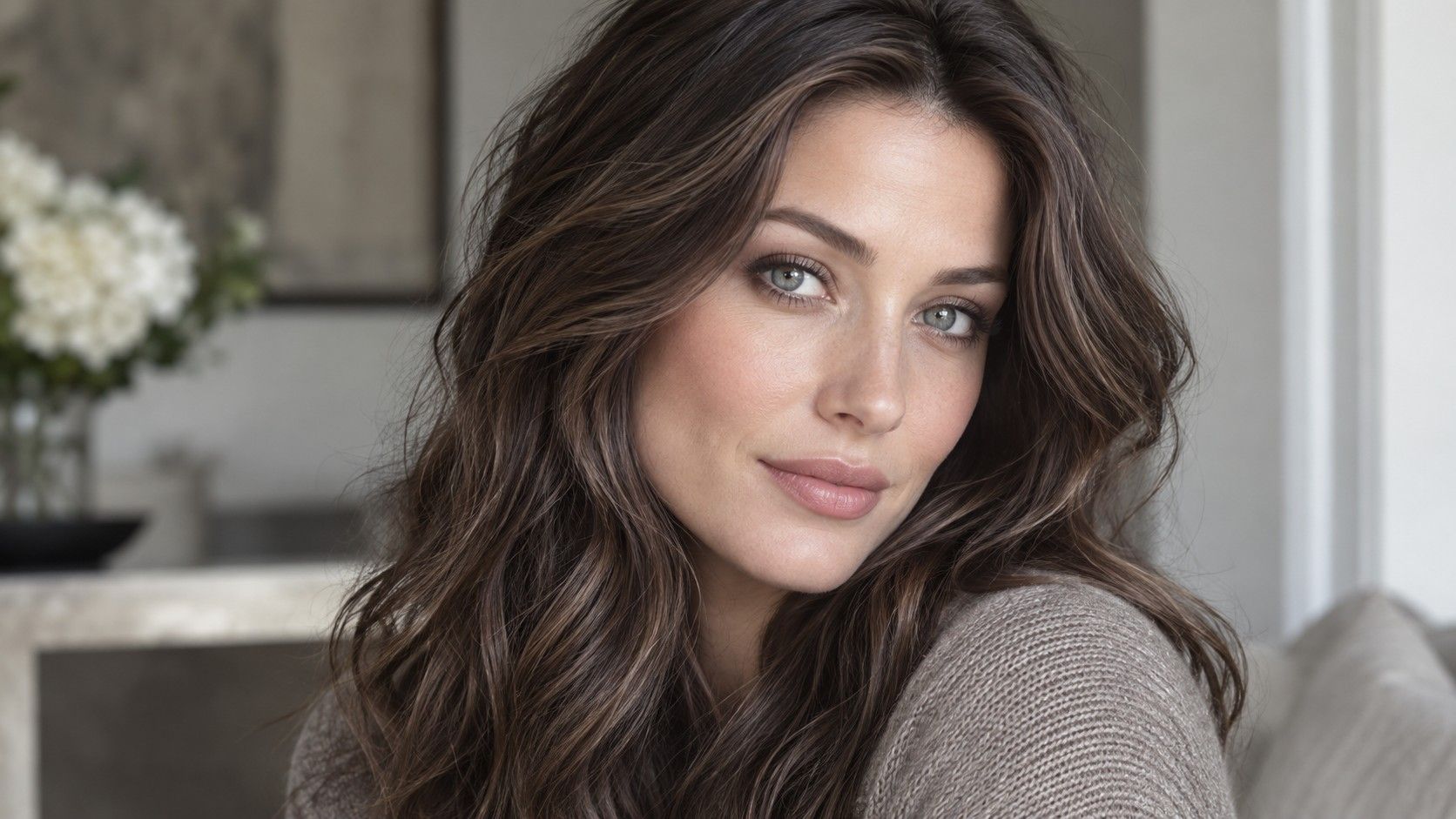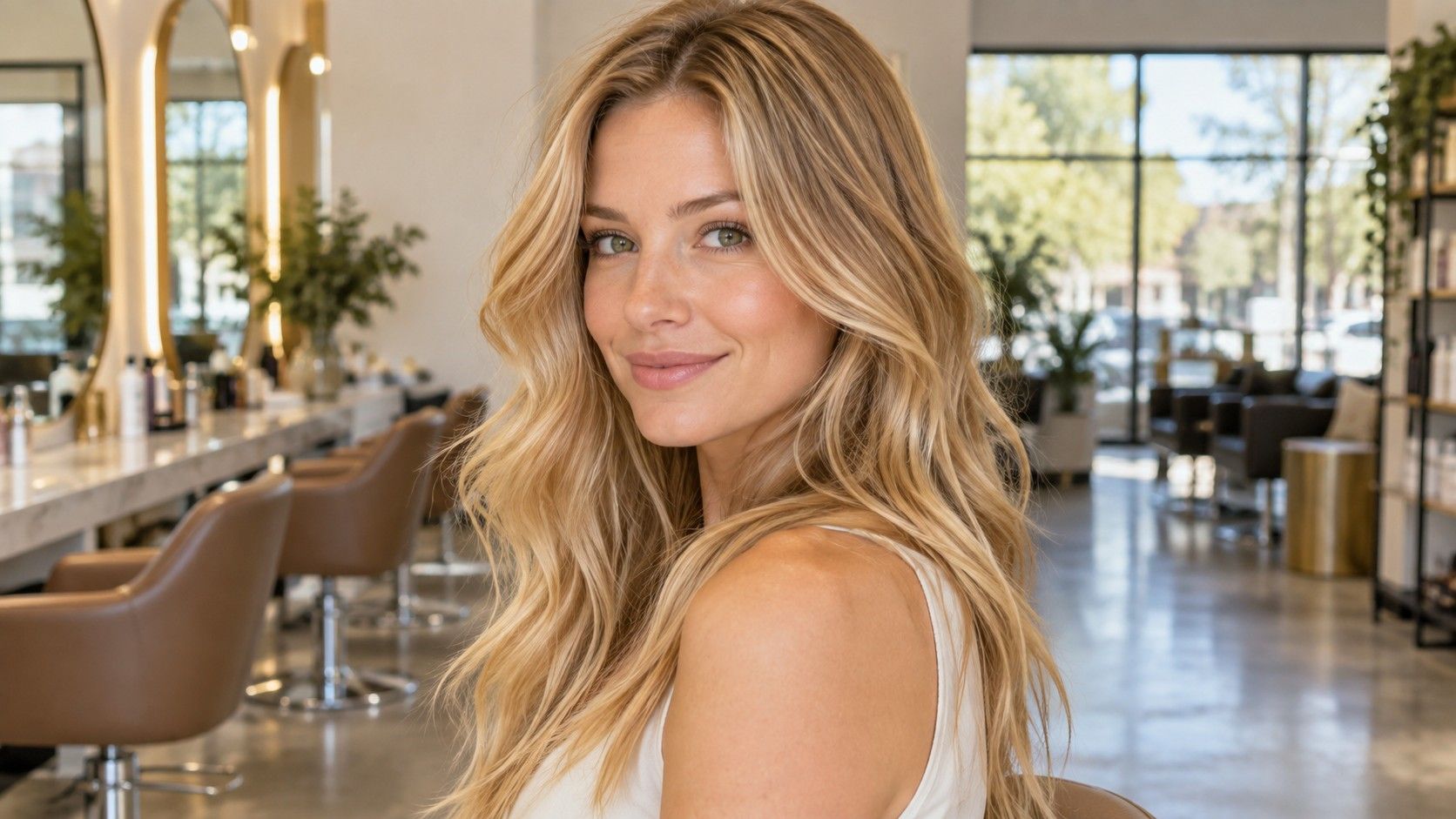
Bright Spring hair colors are often described with words that sound simple but are tricky at the salon: clear, lively, warm, and bright. The useful takeaway is not that everyone must become a golden blonde. It is that hair color may look better when it has clean contrast and visible light, rather than a smoky, dusty, or overly muted finish. A color can be medium brown and still feel bright if its reflections are fresh and its placement is deliberate.
The difference between bright and merely warm
Warmth and brightness are related but not identical. Warm hair has gold, copper, or red present. Bright hair has clarity: it is not heavily softened with grey, brown, or violet pigment. A very deep mahogany can be warm but too dark and muted for a person who looks best in lively color. A pale yellow blonde can be warm but not necessarily clear or flattering. Bright Spring directions usually sit in the middle, where color has enough saturation to look fresh without becoming costume-like.
Think about the finish in daylight. Honey blonde with a transparent gloss can look bright because light travels through it. A beige blonde covered with too much ash may look dull even if it is technically light. A medium golden brown with fine lighter ribbons can look brighter than a solid pale blonde because it keeps contrast near the face. This is why a shade board alone is not enough; placement and shine change the perceived color.
Natural contrast gives a clue about how much brightness to use. If your brows and eyes are defined, you may be able to wear a clearer, more saturated copper or a stronger golden brunette. If your features are lighter and softer, a gentle honey beige or light strawberry tone may deliver the same clarity. The aim is to make the face look awake, not to force the hair to become the loudest element in the room.
Blonde options with clarity
Honey blonde is a frequent starting point because it contains warmth without the dense yellow cast that can make hair look artificial. The most adaptable version has a slightly deeper root, light-reflective pieces through the lengths, and a gloss that keeps the gold clean. It can be adjusted toward beige for a more restrained result or toward caramel for stronger warmth. That flexibility makes it easier to maintain through different seasons and changing preferences.
Golden beige, champagne with warmth, light caramel, and strawberry blonde can also work well. Strawberry blonde is especially useful for someone who wants visible personality without a full copper commitment. Look for peachy-gold softness rather than a vivid traffic-cone orange. A few brighter pieces around the face can produce a clear effect while the underneath hair stays close to the natural root.
Very icy blonde can create an attractive high-fashion contrast, but it often asks for frequent toning and can mute a complexion that needs warmth. If you want the brightness of a pale blonde, compare an icy reference with a pale honey-beige reference in daylight. The latter may make the eyes and skin look more vivid while requiring less struggle against the natural yellow pigment revealed during lifting.
Brown and red options that stay lively
Bright Spring does not have to mean going lighter. Golden brown, warm chestnut, cinnamon brown, and caramel brunette can look lively when they are not covered with a matte ash glaze. The trick is to preserve some reflection. A deep root can add structure, while finer warm pieces through the surface stop the whole color from reading as a single dark block. This approach is often kinder to hair that has been colored repeatedly.
Clear copper and light auburn are strong options when you enjoy red. A clean copper can sharpen the appearance of blue, green, or hazel eyes and bring warmth to the face. It needs care, though: red fades quickly, and highly saturated formulas can leave a noticeable line at the root. A copper gloss over a warm blonde or light brown base is a useful trial. It lets you judge the effect without committing immediately to a full transformation.
Be cautious with shades that are very smoky, blue-black, or wine-dark if your goal is a Bright Spring effect. They can make the hair look beautifully dramatic, but often lower the visual light around the face. If you love depth, choose a warm dark brown with caramel or gold reflection rather than a flat black. You retain the richness while leaving room for the complexion to look alive.
Use shine and saturation as separate controls
Saturation is the intensity of the color; shine is the way light reflects from the hair surface. They are often confused. Adding more pigment can make hair look stronger for a day, but if the surface is dry it may soon look opaque. A clear gloss, gentle cleansing, and a heat protectant can make a moderate color appear brighter than a highly saturated formula on damaged hair.
Ask a colorist whether the clarity you see in a reference comes from lightening, toner, gloss, or styling. The answer changes the maintenance plan. If it comes mainly from face-framing highlights, you may refresh a small area every few months. If it relies on a vivid all-over copper, you may need frequent color deposits. A good choice respects the time and budget you actually have after the first appointment.
| Color direction | What it emphasizes | Keep it clear by |
| Honey or golden beige blonde | Lightness and warmth near the face | Using glosses before brassiness becomes heavy |
| Strawberry blonde | Peachy warmth with a playful edge | Choosing soft copper rather than opaque orange |
| Caramel or golden brunette | Contrast and richness without going dark | Keeping fine highlights blended into the root |
| Clear copper or light auburn | High energy and visible color | Planning for fade and regular refreshes |
Texture affects saturation too. Curly hair breaks up light and makes individual ribbons look bright, so it may need fewer highlights than straight hair. Smooth hair reflects more evenly and can show a solid formula very clearly, including uneven fade. Show up to your appointment with your hair in its usual state, or at least explain whether you normally wear it natural, blown out, or heat styled. That helps the placement work in real life.
How to keep dimension clean between appointments
Dimension can turn muddy when too many unrelated tones pile up over time. If you are moving from old highlights to a clearer Bright Spring direction, ask for a plan rather than adding a new toner at every visit. A colorist may need to soften dark bands, protect fragile ends, or keep some shadow at the root while lifting selected pieces. Slow corrections often look more expensive than a sudden, over-lightened reset.
At home, use color-safe products and moderate heat. Repeated hot-tool passes can make lightened hair lose shine and can speed up the fade of warm glosses. A weekly conditioning treatment is useful if it matches your hair's needs; heavy products on fine hair can make highlights look darker, while insufficient moisture can leave porous ends looking too bright. The aim is flexible, reflective hair rather than a perfectly frozen tone.
Bring reference photos that isolate the details you want: one for depth, one for warmth, one for the amount of contrast at the face. Tell the colorist whether you want people to notice blonde, copper, brunette richness, or simply healthier-looking movement. Bright Spring hair colors work best when clarity is built around a real preference, not when a seasonal label becomes a demand for one exact shade.